Abu Dhabi and OpenAI put AI to work applying government rules
Abu Dhabi converted public rules into a format AI can read and already uses it for food imports. The lesson for companies: you can't automate a confusing rule.
The government of Abu Dhabi and OpenAI announced on Monday (the 2nd) the Machine-Readable Government, an initiative that converts selected public rules into a format AI can read, to help civil servants with routine checks such as licenses and certificates. The first pilot is already in production at the emirate’s agriculture and food safety authority, for food imports. It was one of four agreements signed with OpenAI. Another makes the oil company ADNOC, according to The National, the first energy company to adopt OpenAI’s frontier technology. The amounts were not disclosed.
How it works
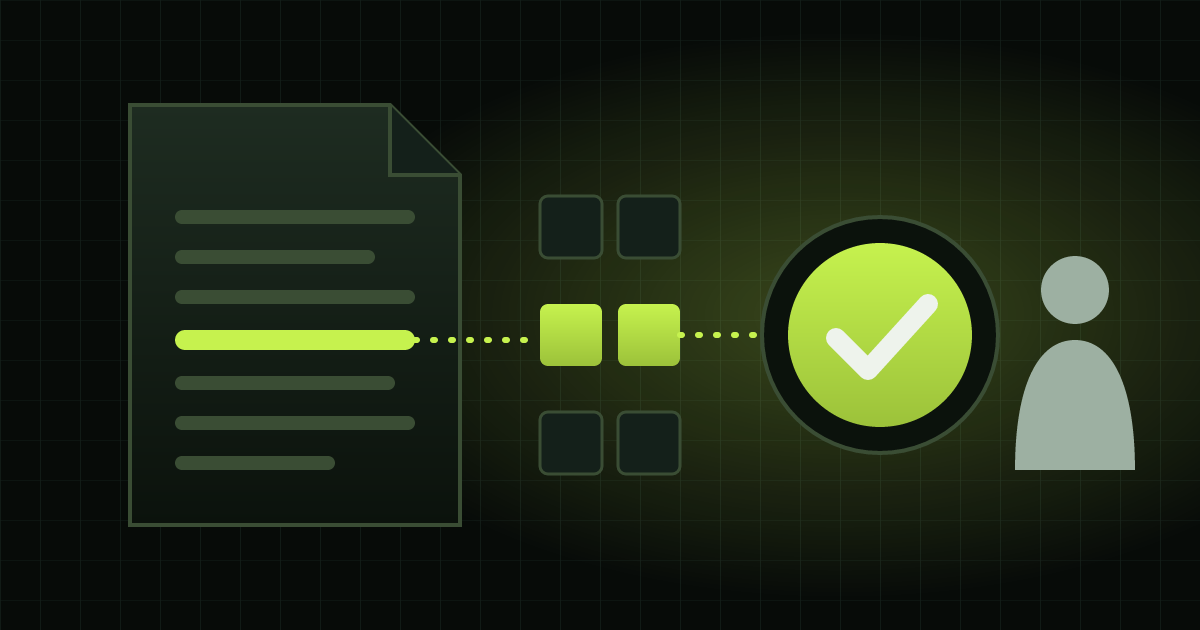
According to the initiative’s announcement, the system receives a case, compares it against the rules and returns a result linked to the clause that justifies it. Routine cases can move forward on their own and, according to the government, reviews that used to take days come back in minutes. The announcement includes no independent audit of this gain.
Complex cases go through government teams, who remain responsible for every final decision. The initiative is not intended for high-risk autonomous decisions or for those that significantly affect people’s rights. Processing runs in data centers in the Emirates, and the data does not train models. The next targets include building permits, business licenses, procurement and HR.
What this changes for your company
1. Written rules have become an asset. AI only applies what is clear. Discount authority levels, purchasing policy and credit criteria that live in someone’s head won’t work. Start with a routine process. Abu Dhabi cites a benefit that applies here too: putting everything in the same format reveals where the rules contradict each other.
2. Require the AI to point to the rule. Every result should state the rule used. Without that, nobody can explain the decision to a customer, an auditor or an inspector.
3. Decide what it does on its own. In Intent-Driven Development, Richard Stockley proposes treating AI autonomy as risk dials controlled by the company: everything starts with human review, and the reins only loosen after measuring. Decisions about credit, employment or contracts stay with a person.
In 29 years of programming, what I’ve most often seen stall an automation is a rule that each department understands differently. With AI, it pays to fix that before buying the tool.
Originally published on IWA7 Insights, IWA7 Digital’s blog, which is now part of Escovando Bytes.