AI chatbots point to fake stores in 9% of answers, study finds
A test of ChatGPT, Gemini and Perplexity found 718 fake or abandoned sites cited in shopping questions about 151 brands. What this changes for your company.
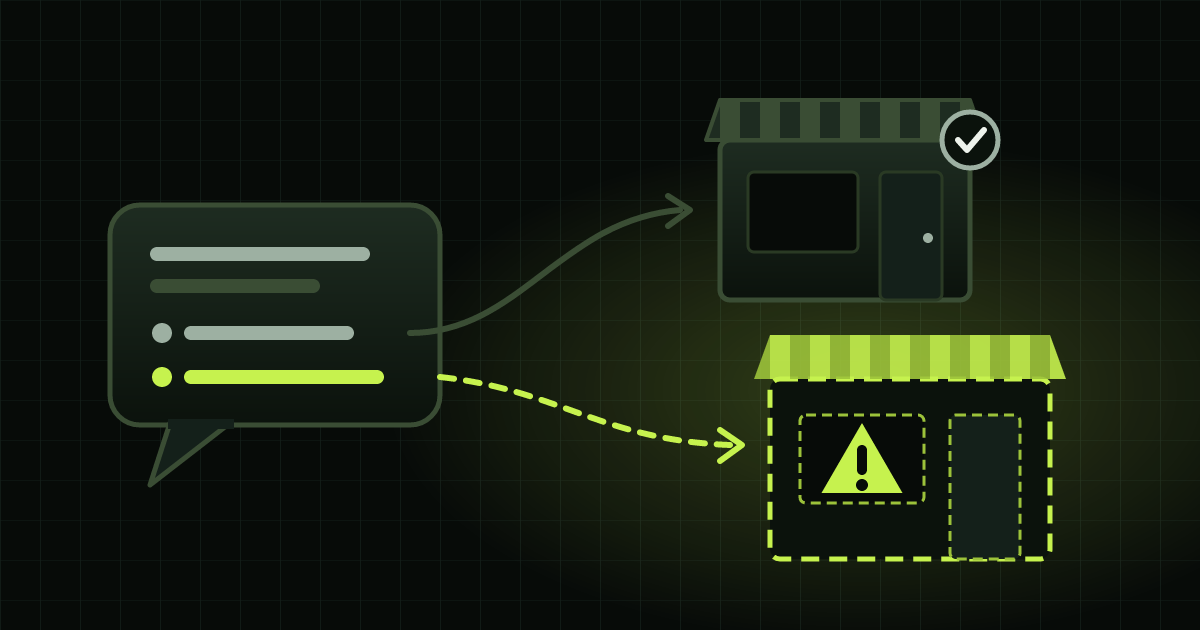
A test by Podqi, an American brand protection company, using data from Gauge, asked five shopping questions about 151 brands to the free versions of ChatGPT, Gemini and Perplexity in September. In 9% of the 6,795 answers, a risky site appeared: a brand imitation, a store suspected of selling counterfeits or an abandoned domain. By tool, the rate was 15% on Perplexity, 8% on ChatGPT and 4% on Gemini. Startup Fortune reported the same numbers.
What the study found
There were 718 risky domains: 351 fake and 367 dead, addresses that no longer sell anything and can be registered by scammers. The tone of the answer matters as much as the number. When the bad site appeared, the AI recommended it as a place to buy in 57% of cases and warned the reader in only 9%.
The most dangerous question was about regional stores and international shipping: 16% of the answers included a risky site. That’s where official-looking addresses proliferate, such as the brand name followed by the name of a country.
A word of caution when reading this: the study comes from a company that sells brand protection services. The numbers come from a test, not a measurement of the whole market. Even so, the methodology is published and each domain was reviewed.
What this changes for your company
1. AI has become a shop window, and you don’t control what it shows. Some customers already ask a chatbot where to buy instead of searching on Google. If the answer leads to a clone of your store, the fraud happens under your name, and the complaint lands at your customer service. Assign an owner for this: someone who, every month, asks the main AIs where to buy from your company and records every address that comes up.
2. An expired domain is an open door. Half of the risky sites were dead addresses. Keep an inventory of the brand’s domains, renew the old ones and publish an official page with all your sales channels and authorized resellers. This helps both the customer and the AI itself find the right path.
3. A link suggested by AI is not a verified link, inside your company too. An employee who asks AI for the website of a supplier, a bank or a government agency runs the same risk. Add a simple rule to your AI usage policy: any address that comes from a chatbot is checked before any purchase, payment or login.
In 29 years of programming, I’ve seen plenty of fraud born from a detail nobody had the job of watching. What AI says about your brand is now one of those details.
Originally published on IWA7 Insights, IWA7 Digital’s blog, which is now part of Escovando Bytes.