United blocks AI agents that buy tickets on customers' behalf
United Airlines will block personal AI assistants that book flights for customers, citing shared passwords and unwanted purchases. What it teaches your company.
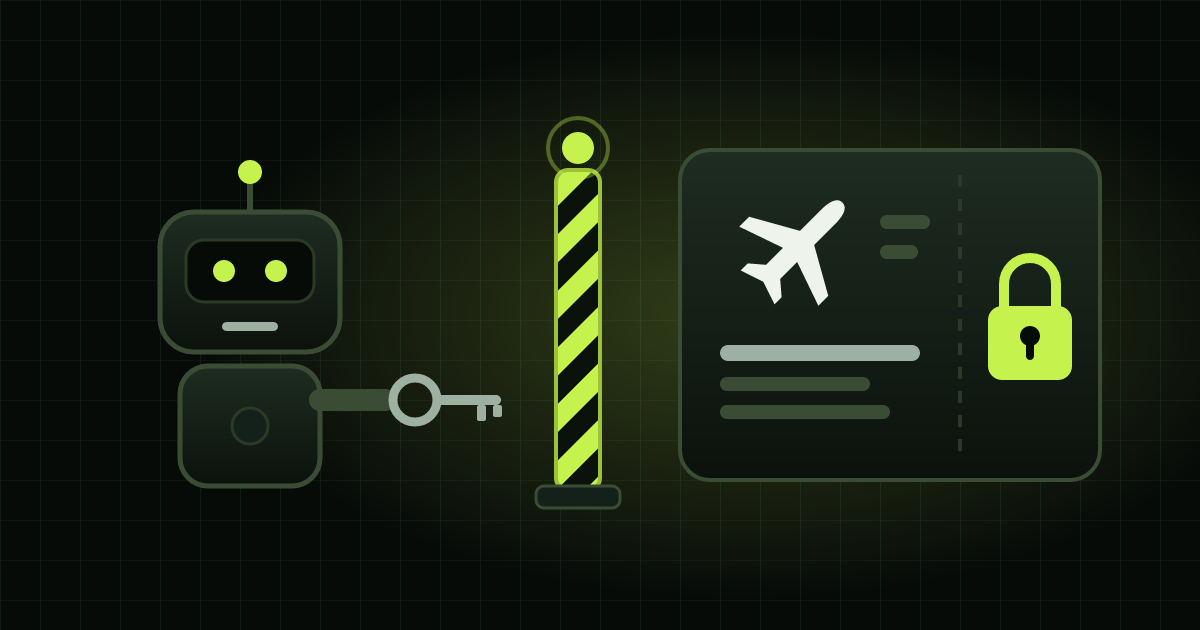
United Airlines announced on Wednesday (November 11) that it will restrict access by unauthorized AI agents and personal assistants, the ones that book and manage flights on the customer’s behalf. The restriction applies directly on the airline’s digital platforms and, indirectly, at travel agencies and aggregators, according to United’s press release. The company says it will update its booking, ticketing and distribution policies. TechCrunch and CBS News confirmed the announcement.
United’s reasons
The airline cites three risks. First, a customer who shares their account login with a third-party AI assistant may expose sensitive data. Second, the agent may make purchases, change the account or spend miles without the customer wanting it to. Third, automated actions may violate rules of the FAA and the DOT, the US aviation authorities: at check-in, for example, a person needs to confirm that the baggage doesn’t contain prohibited items, such as explosives.
The press release gives no start date. United says it will explain to customers how to protect their accounts and where to get help if an agent does something improper, and that it will keep evaluating these tools as they evolve.
What this changes for your company
1. A corporate password in a personal AI assistant is a hole. The United case stems from customers handing their own password to an AI. Inside a company, the same thing happens when someone connects an assistant to email, the purchasing system or the bank. Write the rule down: company credentials don’t go into unapproved AI tools, and approved agents get access through their own permissions, limited and revocable.
2. Some steps need a person, and that needs to be mapped. Accepting a contract, approving a payment and making statements with legal effect can’t be left to a robot clicking “I agree”. List these points in the processes you’re automating and define who confirms each one.
3. If you sell online, the decision about agents is already yours. Customers will show up with AI buying for them. Decide what an agent can do on your site, how to identify who’s on the other side and who answers when a purchase goes wrong. Waiting for the first chargeback to decide is letting the problem choose the rule.
In 29 years of programming, I’ve learned that every system that acts on someone’s behalf needs a clear limit and an owner. With AI agents, that’s no longer a technical detail.
Originally published on IWA7 Insights, IWA7 Digital’s blog, which is now part of Escovando Bytes.