Your AI tool will change. What your company knows can't go with it
In one week, Conductor gave customers 16 days to leave, Revolut switched AI and Goldman pulled back. Whoever ties knowledge to the tool starts from scratch.
Last Wednesday, Conductor, a tool for coordinating AI agents that write code, told its customers it is going to Meta. The cloud service shuts down on November 20, and data starts being deleted on that date. I wrote about it on Friday: there were 16 days between the announcement and the end.
That same week, Revolut said it had swapped its paid AI for an open model for coding, and Goldman Sachs took AI coding tools away from traders and bankers.
Those are three very different reasons: the vendor being sold, cost and risk. But the lesson is the same.
My thesis: the AI tool is the part that will change, and more than once. What your company has learned by using that tool can’t change along with it. Whoever leaves knowledge locked inside it starts from scratch with every switch.
Three switches in one week
It’s worth looking at each case closely, because none of them was carelessness.
Conductor handled its shutdown carefully. It stopped accepting customers on the day of the announcement, makes the cloud read-only on November 13, refunds subscribers and offers two ways to take your work with you. The app installed on the computer keeps working until early 2027. Even so, anyone who had months of work stored there has two weeks to organize their exit, in the middle of year-end deliveries.
Revolut says it cut about 90% of its AI coding costs by running open models from the Chinese company Z.ai on its own infrastructure, with 56 GPUs serving about 2,000 engineers, according to reporting by The Register. The figures come from the company itself and the comparison baseline was not disclosed. The point here isn’t the percentage. It’s that a company of that size managed to swap the engine without stopping the factory.
Goldman went down the risk path. After months of testing, an internal guideline in October restricted tools like Claude Code to engineers only, according to Bloomberg. People who used them to simulate scenarios and put together reports lost access.
And this isn’t an exception. At the end of October, Mistral released for download a cutting-edge model to run inside companies, and the Swedish government blocked ChatGPT and Claude on work computers in favor of the approved tool. A better model, a new price, a new rule, a vendor that gets sold: the switch will happen at your company too. The question is how much it will cost.
What changes and what stays
The best way I’ve found to think about this comes from Richard Stockley, in the book Intent-Driven Development, which is distributed for free. He splits work with AI into two layers that move at different speeds.
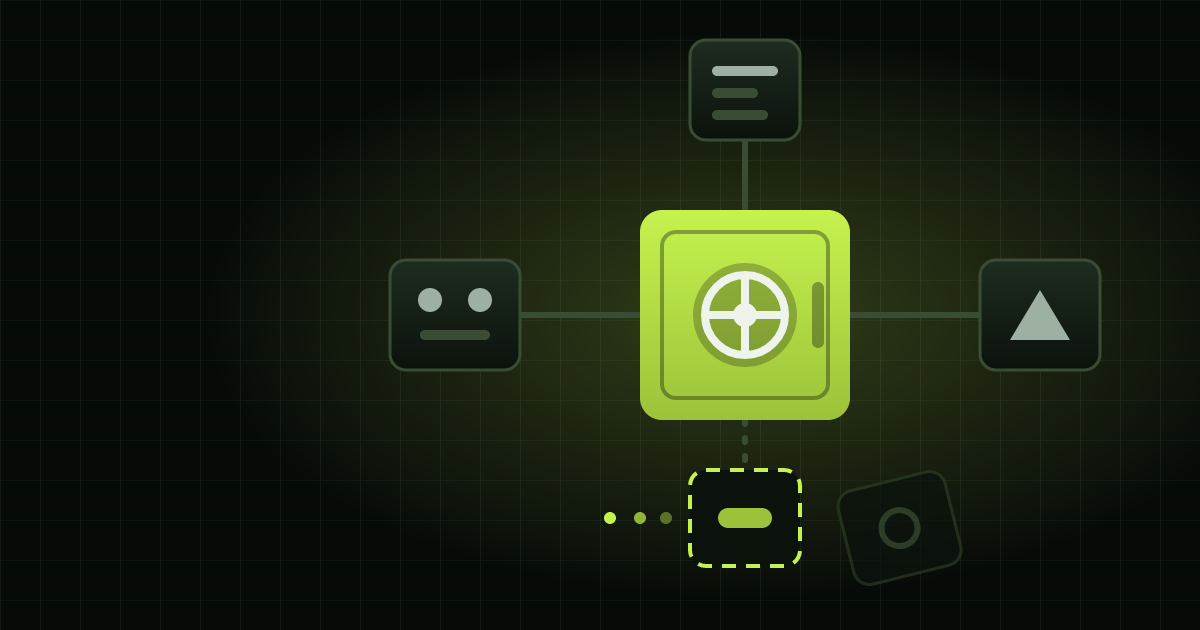
The human layer is stable: the problem the customer has, the rules and language of the business, what counts as good work and who is accountable for the result. The AI layer changes all the time: the tool, the model, how much can be automated. Between the two sits governance.
The practical consequence is simple. When AI improves, you adjust governance. When the tool changes, you swap the implementation. What can’t happen is for the human layer to be written inside the tool, because then it leaves along with it.
The motto Stockley proposes, in my loose translation, is “govern the intent, delegate the execution.” I would add: and keep the intent in a place that belongs to you.
Where knowledge gets lost
In practice, knowledge gets locked into a tool in three ways, and almost no company notices until it’s time to switch.
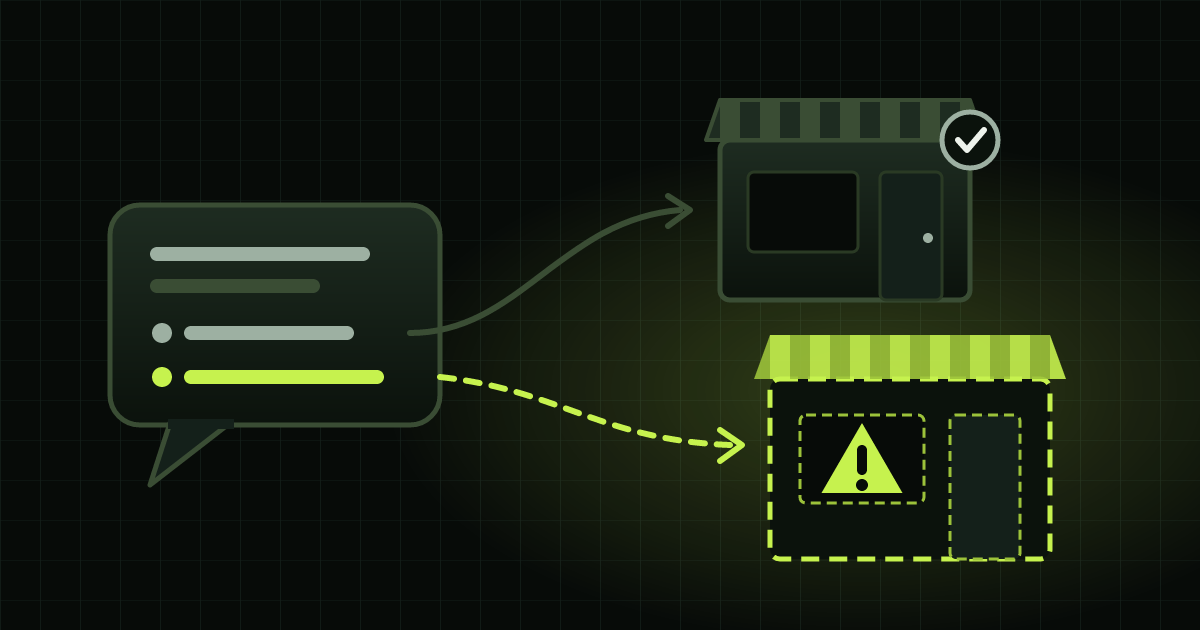
Scattered instructions. That text teaching the AI to answer in the company’s tone, to classify a request or to review a contract is usually saved in the personal account of whoever created it. When that person leaves or the tool changes, the company finds out it no longer knows how that worked.
Memory in the vendor’s cloud. Tools are getting better at remembering. Perplexity’s Teammates, launched last week, creates agents that draw on the projects, skills and memory the user has already built up on the platform. That’s great for day-to-day use. But every month of use increases what stays on their side.
Quality criteria in users’ heads. This is the most expensive one. When someone says “the new AI is worse,” nobody can prove it, because no one ever wrote down what a good answer was. The switch becomes one opinion against another.
The bill for this tends to grow. The annual report from Menlo Ventures estimates that American companies spent, on average, 4.7 times the previous year’s level on AI, about 2.5 times what they had planned. The more AI gets into processes, the more knowledge piles up in it, and the more expensive a poorly planned exit becomes.
What managers should do
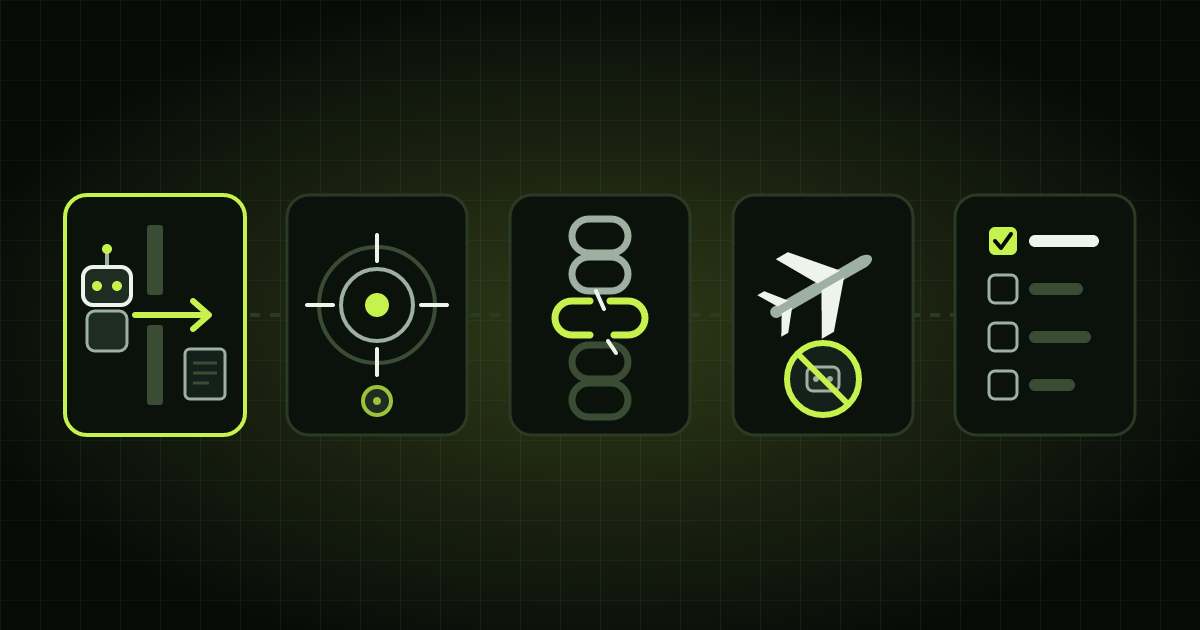
1. Take inventory of what each tool stores. Listing the AI tools in use isn’t enough. For each one, write down what lives in it: instructions, history, reference documents, agent configuration. And whose account it’s saved in.
2. Write the human layer outside the tool. The business rules, the company’s vocabulary, the limits on what AI can do and what counts as a good answer should live in a document the company controls. The tool reads that material. It doesn’t own it.
3. Keep test cases. Set aside real examples of requests with the expected answer. They let you measure today’s AI and compare the next one with numbers, not impressions. They are also your best defense in a price negotiation.
4. Test the exit before you need it. Export the data from an important tool, check the file and see whether it’s useful for anything outside the tool. If the test takes more than a day, you already know where the risk is.
5. Put the exit in the contract. Ask for a minimum notice period in case of a sale or shutdown, return of data in an open format and confirmation of deletion. Itaú, one of Brazil’s largest banks, solved its dependency by buying the vendor. For most companies, the contract is the protection within reach.
None of this requires you to stop using AI or to pick the perfect tool. It only requires deciding what belongs to the company and what belongs to the vendor.
Where experience comes in
In 29 years of programming, I’ve seen languages, servers, clouds and frameworks change many times. The projects that survived were the ones with well-written business rules and tests that proved the system did what it was supposed to. The rest were rewritten from scratch, almost always in a hurry.
With AI it’s the same, only faster. That’s the work we do at IWA7: helping companies separate what is theirs from what belongs to the tool, so that the next switch is a business decision and not a two-week scramble.
Originally published on IWA7 Insights, IWA7 Digital’s blog, which is now part of Escovando Bytes.