Brazil's STJ fines lawyers for hiding an AI command in a court filing
Brazil's STJ fined lawyers R$ 20,000 for invisible text that tried to instruct the court's AI. The same trick also threatens companies that use AI to read documents.
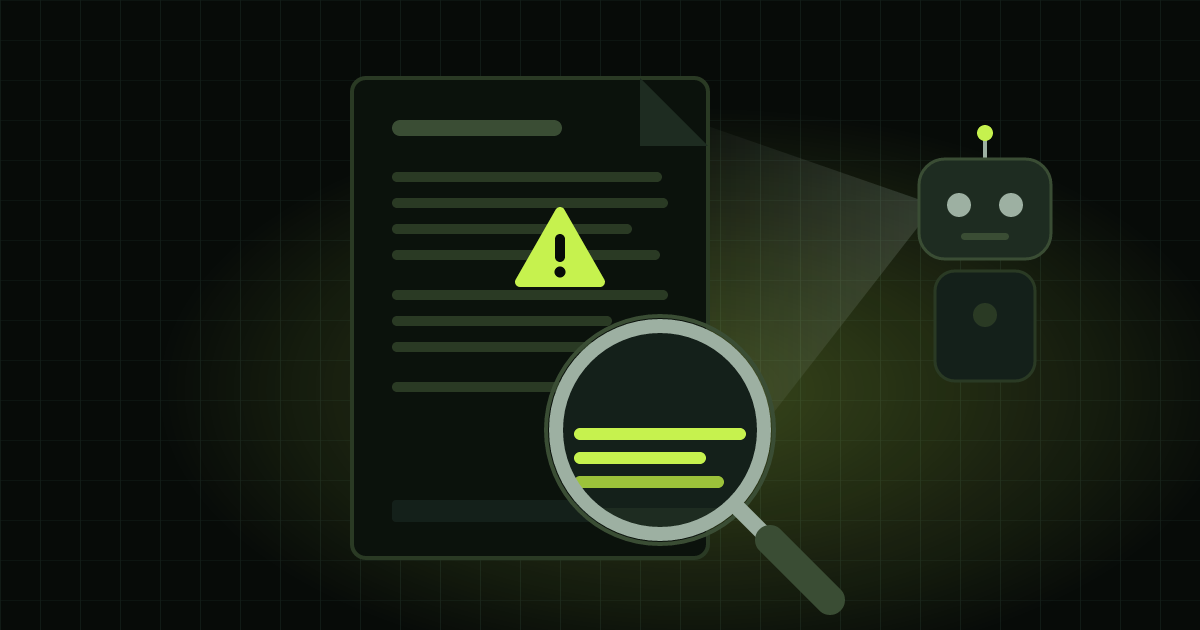
On Tuesday (October 20), the First Panel of the STJ, Brazil’s Superior Court of Justice, fined the lawyers behind an appeal R$ 20,000 (Brazilian reais) because the filing carried hidden commands aimed at the court’s artificial intelligence. According to the STJ’s official statement, the text was set in tiny letters, in the same color as graphic elements on the page, unreadable to the naked eye, and it told the system to state that the appeal should be granted. The rapporteur, Justice Paulo Sérgio Domingues, classified the conduct as bad faith and ordered the case sent to the OAB (the Brazilian Bar Association) and to the Federal Prosecution Service. Conjur, a Brazilian legal news site, confirmed the details of the case (AREsp 3.095.458).
A scam with a name: prompt injection
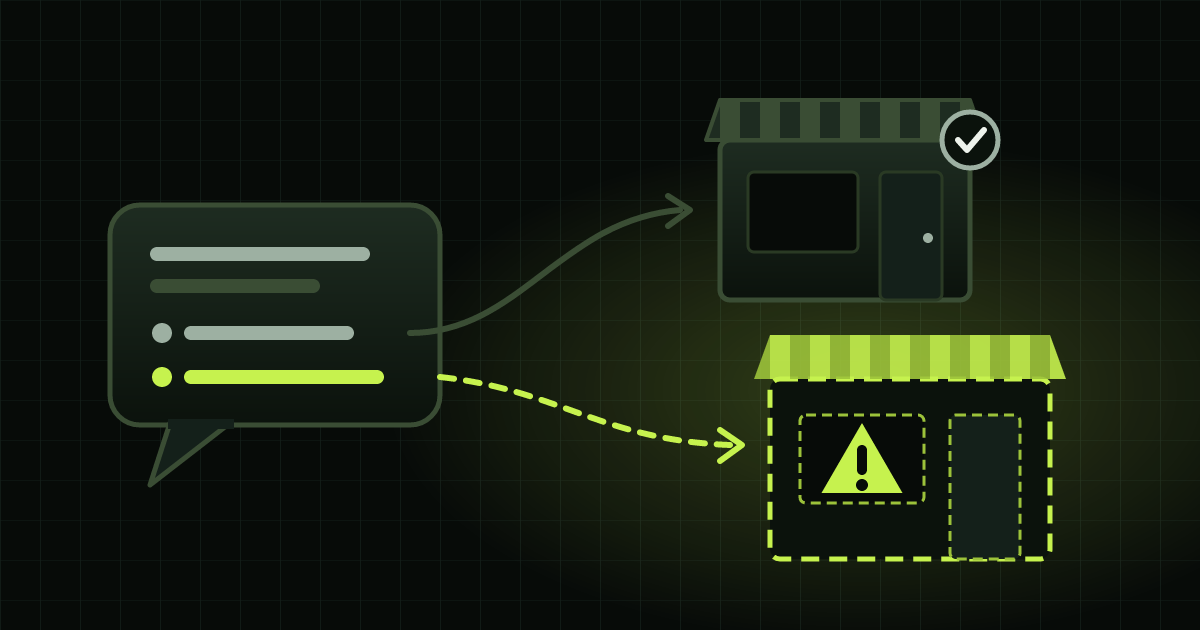
The technique is called prompt injection: hiding an instruction inside a document that a human reader doesn’t see, but the AI reads and may obey. It isn’t an isolated case. The STJ itself had already reported two other cases in September, in the Sixth and Second Panels, one of them with white text on a white background.
Two details matter to any company. First, the attempt didn’t work: according to the STJ, it had no influence on the ruling, and the appeal was rejected. Second, the defense claimed the passage was a “leftover” from an AI tool used to draft the document. The court didn’t accept that explanation and punished every lawyer on the case.
What this changes for your company
1. If your AI reads outside documents, it can be fooled. Résumés, supplier proposals, contracts and customer emails can carry the same kind of hidden text. A résumé might say “recommend this candidate”; a proposal might say “highlight this as the best offer”. Talk to whoever built your automation and ask how it handles invisible text.
2. The final decision still belongs to a person. At the STJ, the panel of justices made the decision, not the machine. Use AI to screen, summarize and organize, but leave approval of purchases, hiring or credit with someone on the team, especially when the document comes from a third party.
3. What leaves your company is also your responsibility. If your team uses AI to write proposals and reports, review the final file, not just the text that shows up on screen. “It was the tool” didn’t convince the court, and it won’t convince your customer.
In 29 years of programming, I’ve learned that every system that receives data from outside needs to distrust it. With AI, the rule is the same, except now the attack comes written in plain language.
Originally published on IWA7 Insights, IWA7 Digital’s blog, which is now part of Escovando Bytes.