Cloudflare AI flaw showed one customer's data to another
For two weeks, an AI model in Cloudflare's cloud returned snippets of other customers' requests in 155 responses. What this teaches anyone who buys AI services.
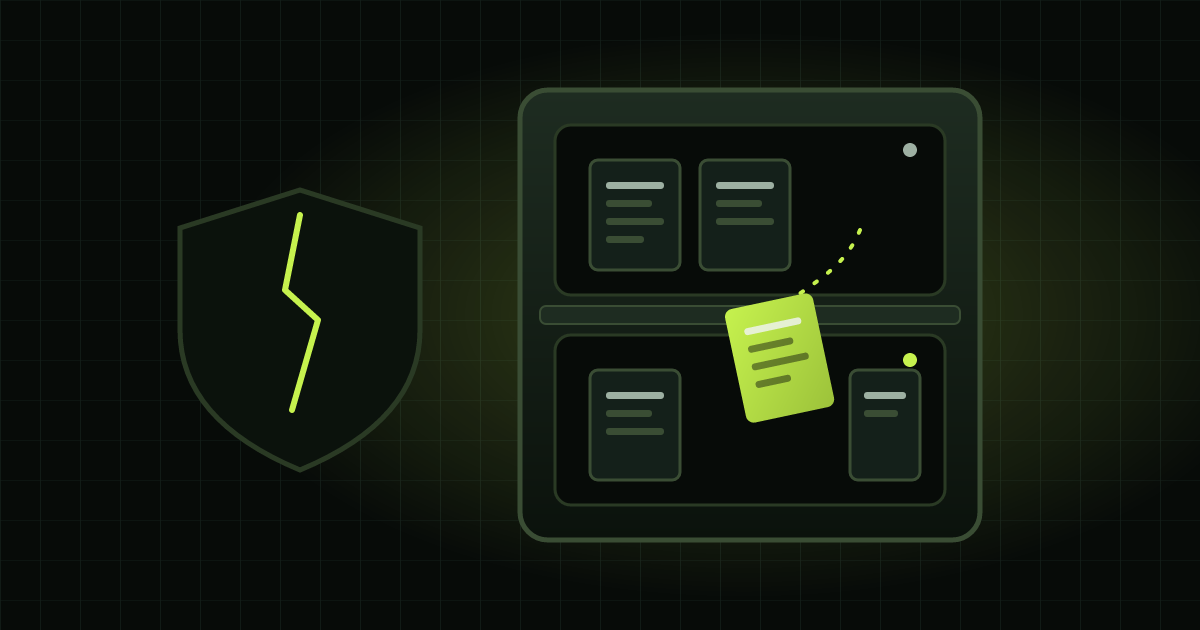
On Monday (October 26), Cloudflare published a detailed report on a flaw in Workers AI, its cloud AI model service. Between August 27 and September 9, 155 responses from the GLM-5.3 model contained snippets of requests and responses from other customers who had used the same model shortly before. The problem only hit huge texts, above 681,000 tokens (the unit AI uses to measure text), and the customer received a normal-looking response with no error warning. The TokenPost site also reported the case.
How it happened
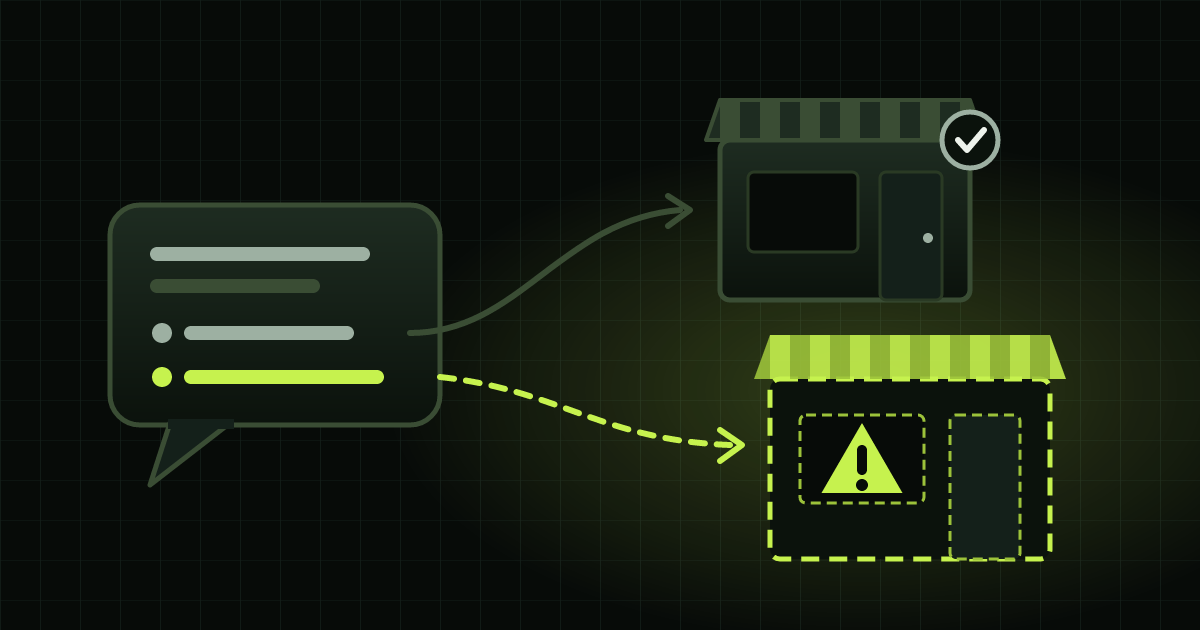
Two causes came together. The memory reserved to process each request was smaller than the maximum text size the model accepted, and Cloudflare knew this before launch. It expected the AI software to reject oversized requests with an error message. But a bug in that software let the request go through, reading leftover memory from earlier requests.
According to the report, pre-launch tests checked whether the system responded and how fast, but not whether the content was correct. The flaw was reported by a security researcher on September 8 and fixed on the 9th, after the model was taken offline for a few hours. Cloudflare says it found no sign of deliberate exploitation and that no other model was affected. The report does not say whether the affected customers were notified.
What this changes for your company
1. Ask how your data is kept separate. A cloud AI service is shared among many customers. Ask the vendor, in writing, how it isolates each company’s data and what happens to that data after the response is delivered.
2. Put incident notification in the contract. If a piece of your document shows up for another company, you need to know right away, including to meet your obligations under the LGPD, Brazil’s data protection law. Set the deadline and the form of notification before any problem happens.
3. Test the answer, not just the system. Monitoring whether the AI is up isn’t enough. Set aside examples with known answers and check the content from time to time, especially after the vendor makes changes.
In 29 years of programming, I’ve learned that the most expensive error is the one that looks like success. With AI, checking the content of the answer has to become routine.
Originally published on IWA7 Insights, IWA7 Digital’s blog, which is now part of Escovando Bytes.