GitLab Duo: when AI becomes a programmer's teammate
From Git, built in a hurry in 2005, to AI agents that review code on their own: the story of GitLab and Duo, explained for people outside tech.
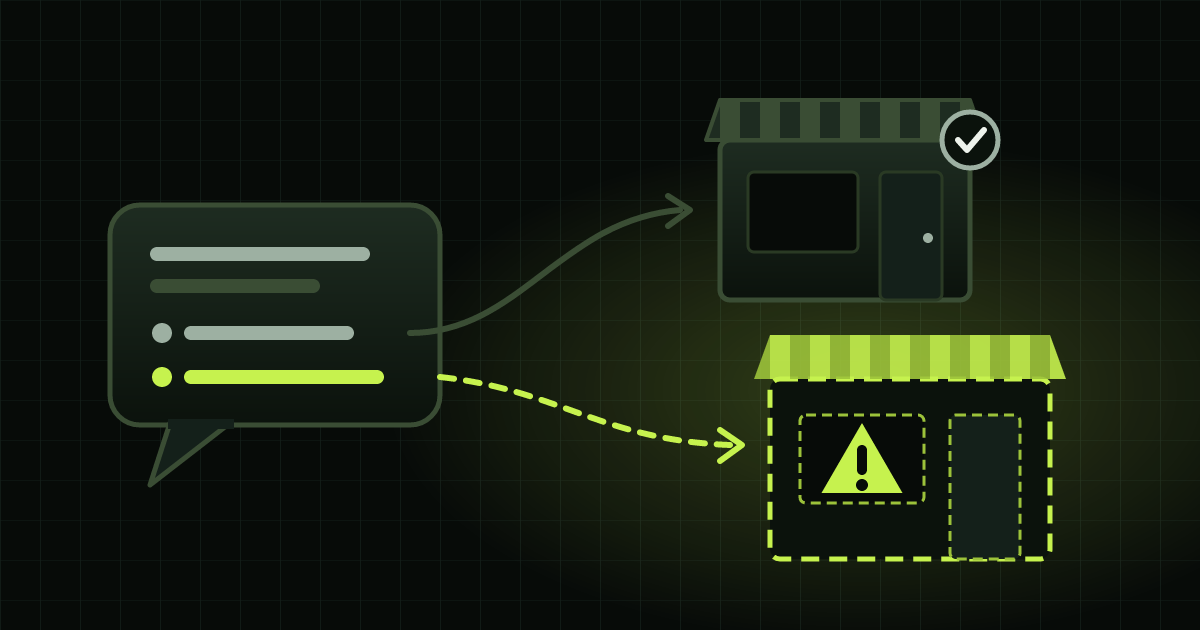
On the night of January 31, 2017, a GitLab engineer was trying to fix a sync problem between two database servers. The plan was to delete a folder on the replica server and start fresh. He ran the command on the primary server. By the time he noticed and stopped it, about 300 GB of data was gone.
It got worse: of the several kinds of backup the company had, almost none worked. One was failing silently, another wasn’t even turned on. What saved the day was a copy made about six hours earlier. The site was down for about 18 hours, and the company did something rare: it livestreamed the recovery on YouTube, with peaks of around 5,000 viewers. It’s all in the report GitLab itself published afterward.
Keep that story in mind. Almost ten years later, that same company is putting robots to work on code, tests and security. And the 2017 lesson will come back at the end.
First: what is this Git thing
Who hasn’t saved a file as “final-project-this-time-for-real-v3.docx”? Programmers had exactly that problem, except with thousands of files and dozens of people changing them at the same time.
Git solves it. Think of the version history of an online document: you can see who changed what, when, and go back to any point. Git does that for code, and every person on the team has a full copy of the history on their own computer.
It was born out of a squeeze. Until 2005, the people maintaining Linux (the system that runs a large share of the internet’s servers and sits at the heart of Android) used a paid tool called BitKeeper, free of charge. That year, the company that owned BitKeeper ended the free use. The community, led by Linus Torvalds, the creator of Linux, decided to build its own tool, fast and able to handle a gigantic project. That story is in the official Git book.
And GitLab?
If Git is the engine, GitLab is the whole workshop around it: a site where the team stores its code, discusses each change and connects automated conveyor belts that test and publish the program.
It started in 2011 as a side project of Ukrainian programmer Dmytro Zaporozhets, according to Wikipedia. It grew, became a company, and today it’s one of the most widely used tools by software teams worldwide. It’s also the one I use most day to day. I started programming at 11, at a time when, for many people, “version control” meant copying the whole folder and renaming it. Seeing that turn into robots reviewing code has a special flavor.
Two terms help with the rest of the story:
- Merge request: when someone finishes a change, they ask for it to be merged into the main code. A colleague reviews it before approving.
- Pipeline: the automatic sequence of tests that runs on every change. If a test fails, the pipeline turns red and nothing goes live.
From code suggestions to an AI “teammate”
The first AI tools for programming were a souped-up autocomplete: you started typing and the AI suggested the rest of the line. It helped, but GitLab itself points out a limit: only about 20% of a developer’s time goes into writing code, according to the platform’s official announcement. The rest is reviewing, investigating broken tests, fixing security flaws, planning. Speeding up only the writing creates a queue at the other stages.
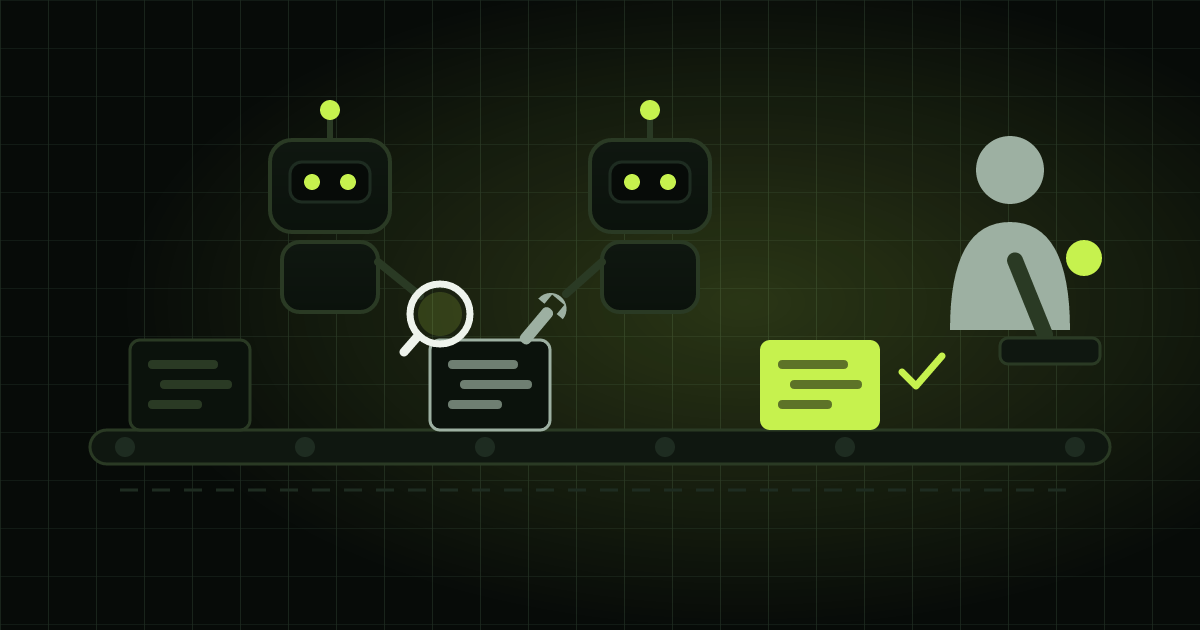
That’s where the GitLab Duo Agent Platform comes in. It became generally available on January 15, 2026, according to the press release. The difference is in the word “agent”. A regular chatbot just answers questions. An agent receives a task and carries out the steps on its own: reads the code, runs the pipeline, opens a merge request.
In practice, Duo brings:
- a chat that knows the project, able to explain a system you’ve never seen;
- a planning agent that organizes and prioritizes the task list;
- a security agent that explains flaws in plain language;
- ready-made flows that turn a task into a code proposal, fix a broken pipeline or review a change.
You can also plug in other companies’ agents, like Anthropic’s Claude Code and OpenAI’s Codex, according to the announcement.
The missing map
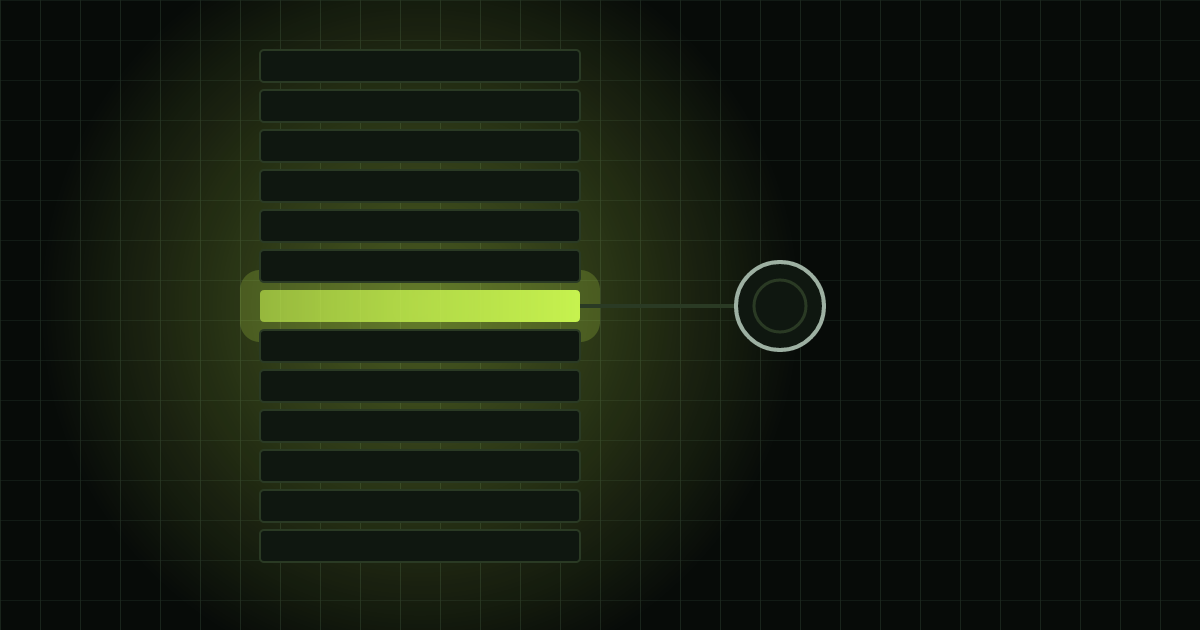
One problem with agents is that they see very little. They look at a few files and guess the rest. In June 2026, GitLab introduced Orbit, still in testing: a kind of living map that connects code, changes, pipelines, security flaws and who is responsible for each part. Instead of searching blindly, the agent checks the map.
According to GitLab, with Orbit the agents became up to 11 times faster and used up to 4.5 times fewer tokens, the little chunks of text an AI reads and gets billed for. Those numbers were measured by the company itself, in the best-case scenario, so take them with a grain of salt.
And who’s holding the wheel?
Here the 2017 story comes back. If a human can wipe a database with one command in the wrong place, a robot working on its own can too.
GitLab says every action by an agent is tied to the identity and permissions of a real person, that the company decides which agents can run and where, and that human approval can be required at critical points, with everything logged. It’s on the product page. Billing changed too: instead of paying per person, the company buys credits at US$1 each and spends them as the agents work, according to the pricing page.
What this has to do with you
You may never open GitLab. But your banking app, your food delivery app and your company’s systems are built with tools like this. More and more, the update that lands on your phone was reviewed by a robot before it was reviewed by a person.
What changed since 2017 is the speed: now the machine writes, reviews and fixes. What stays the same is the question that engineer learned the hard way: who can do what, who checks it, and can we go back if it goes wrong?