Goldman Sachs pulls AI coding tools from traders and bankers
After months of testing, Goldman left tools like Claude Code with engineers only, citing productivity and risk. What it teaches about rolling out AI in a company.
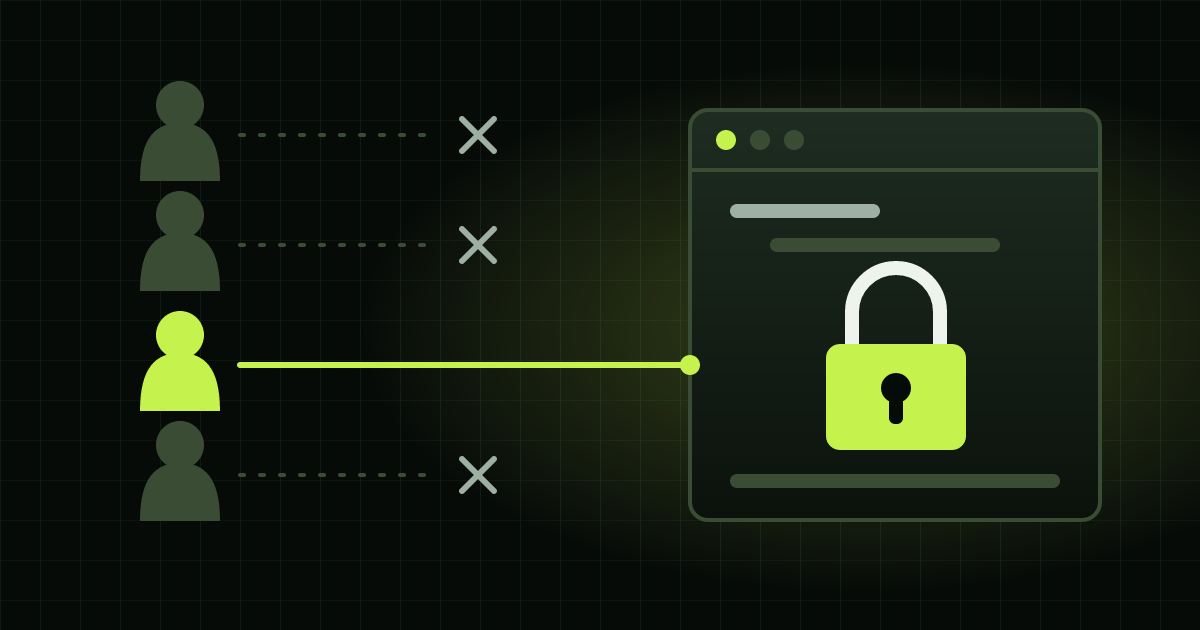
Goldman Sachs has restricted most employees’ use of advanced AI coding tools, Bloomberg reported on Monday (November 2). For months, bank staff were able to use Anthropic’s Claude Code and Microsoft’s GitHub. Internal guidance updated in October left access to engineers only. The exception is the “strats”, who work between trading, quantitative research and software engineering. The Decoder also covered the story.
The turnaround in a few months
In July, chief technology officer Marco Argenti was praising “vibe coding” by non-technical people, that is, building software by describing what you want to the AI. Traders and bankers would put together solutions and hand them to one of the bank’s 12,000 engineers to refine. Now, according to Bloomberg, some traders are frustrated: they used the tools to track client flows, simulate market scenarios and produce text and charts.
Spokesperson Nick Carcaterra said the bank weighs factors such as productivity and risk management after a testing period and keeps the tools with those best positioned to use them over the long term. The report gives no figures on Goldman’s costs and doesn’t say whether the bank’s internal AI assistant was affected.
In October, Uber went the opposite way with a different kind of tool, opening an AI agent to the whole company. There’s no single formula: what matters is having a decision point.
What this changes for your company
1. Give the trial an end date. Opening it up to many people helps discover uses. But define from the start when the decision will happen and by what criteria: cost per department, measured gains and the risks that showed up.
2. Take inventory before restricting. Dashboards, reports and automations built by people who don’t program become part of the work. Without access to the tool, they’re left with no one to look after them. List what exists, who depends on it and what data it uses. Cutting access without an alternative can also push usage to personal accounts, and our free self-assessment (in Portuguese) helps measure that risk.
3. Separate using from building. Who can ask the AI questions is one decision. Who can create a tool that touches company data is another. Write the rule by role and define how a prototype reaches someone technical who will answer for it.
In 29 years of programming, I’ve seen many solutions built outside IT become critical processes with no owner. With AI, that happens in weeks, so the question of who maintains it comes before the rollout.
Originally published on IWA7 Insights, IWA7 Digital’s blog, which is now part of Escovando Bytes.