Those who know how to instruct AI go further, and it's not about prompts
Studies show AI delivers more in the hands of experienced people. The edge isn't the prompt: it's knowing the problem, the result and how to prove it worked.
Every week someone asks me what the best prompt course for their team is. I understand the question, but I think it’s aimed at the wrong place. After watching closely how companies are using AI, my conclusion is the opposite of what the market is selling: the people who get the most out of AI aren’t the ones who memorized prompt formulas. They’re the ones who know exactly what they want, and can say it clearly.
And the numbers are starting to show it.
What the data says about who wins with AI
The most cited research on AI at work, by Erik Brynjolfsson and colleagues, followed 5,179 customer support agents. Productivity rose 14% on average, and 34% among newcomers, with minimal impact on the most experienced, according to the paper published by the NBER. At first glance, it looks like AI levels everyone up and makes experience less important.
But support is scripted work. The AI learned from the best answers of the best agents and passed that knowledge along. When the work is open-ended, the story changes.
In July 2025, the METR institute tested 16 experienced programmers on 246 real tasks from their own projects. With AI, they took 19% longer. The most interesting detail: even after the test, they believed they had become 20% faster. In early 2026, METR came back to the subject and found signs that the same programmers were already faster with the new tools, but the institute itself warns that the data is weak and that it is redesigning the study.
On the other side, a Fastly survey of 791 developers in the United States showed that 32% of professionals with more than ten years of experience say more than half of the code they ship was generated by AI. Among juniors, the figure is 13%, according to Fastly itself. And the figure that caught my attention most: almost 30% of seniors say they fix the AI’s output to the point of losing much of the time they gained, compared with 17% of juniors.
Outside software, the same pattern shows up. An experiment with almost 6,000 Instacart shoppers, published in the journal Information Systems Research and publicized in August, showed that less experienced shoppers relied more on AI without getting better results, while experienced ones combined the suggestion with their own judgment, especially on complex orders, according to the INFORMS announcement.
Putting it all together: AI helps the newcomer do what already has a script. In work that requires decisions, it delivers more in the hands of people who know what they’re doing.
The bottleneck moved
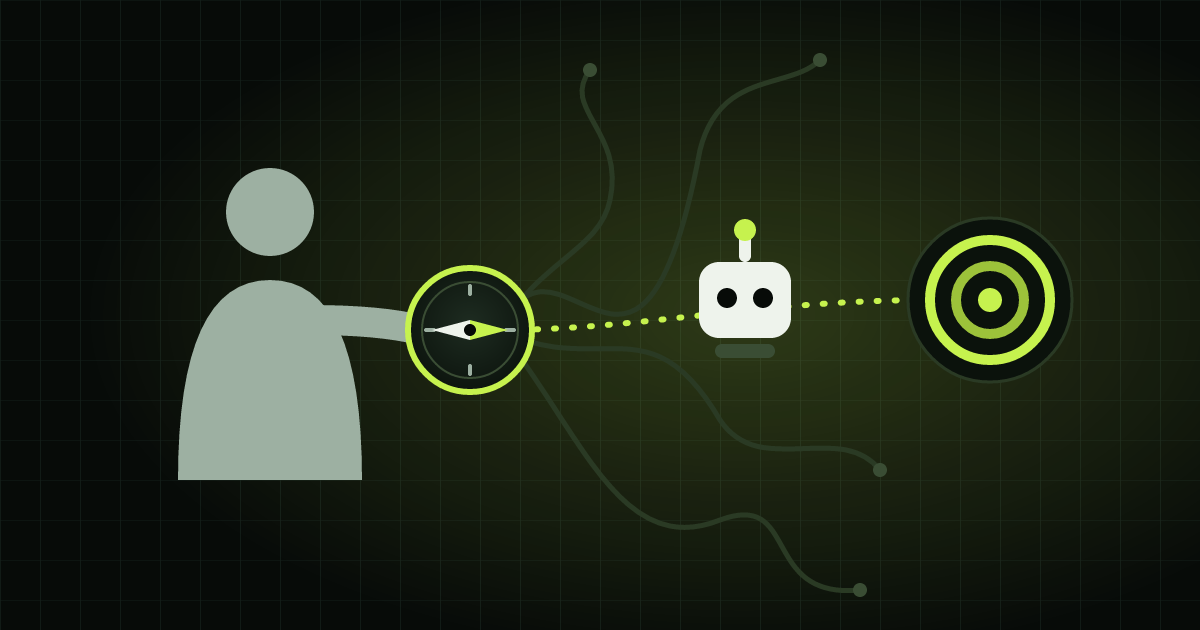
Software architect Richard Stockley explains this phenomenon in his book Intent-Driven Development, which is distributed for free. His central idea: for decades, the limit was technical, the time and skill needed to build. With agents that write code, tests and infrastructure in minutes, the limit became the quality of human intent. The motto he proposes is “govern the intent, delegate the execution”.
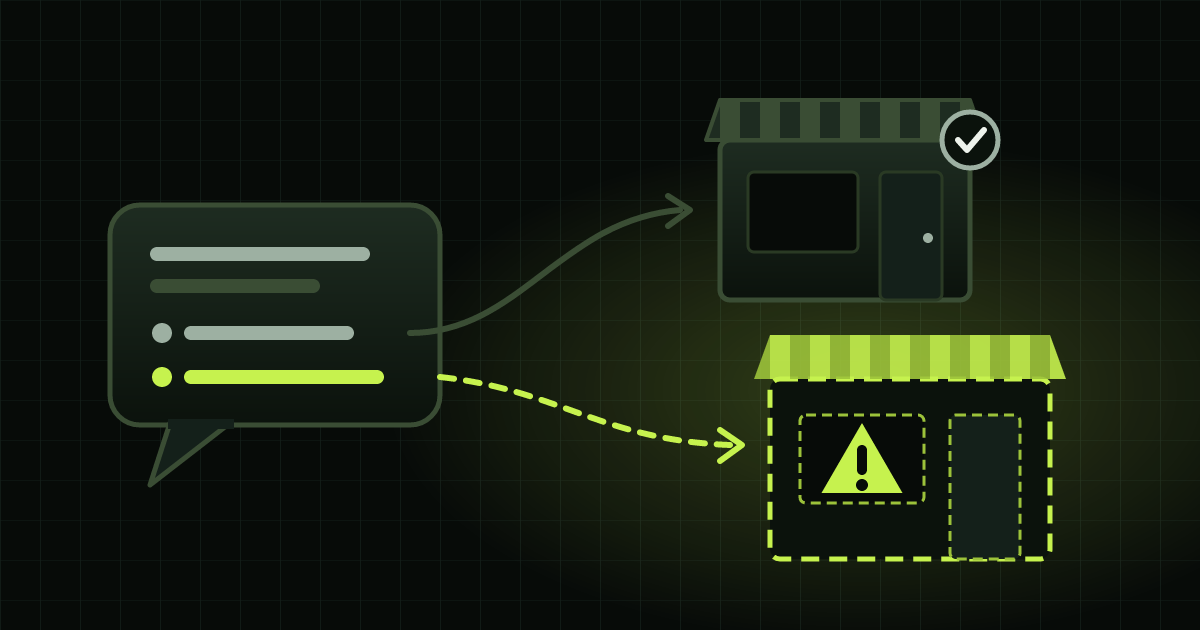
In practice, this means a poorly thought-out request used to cost weeks of rework. Today, AI builds the wrong thing in an afternoon, with all the confidence in the world. Speed doesn’t fix a lack of clarity. It just makes the mistake arrive sooner.
Stockley insists on a point I fully endorse: this isn’t prompt engineering. A prompt is a technique for a specific model, at a specific moment, and it expires when the model changes. What he proposes is a discipline of thinking, similar to what test-first development taught programmers twenty years ago.
So what does “knowing how to instruct” mean
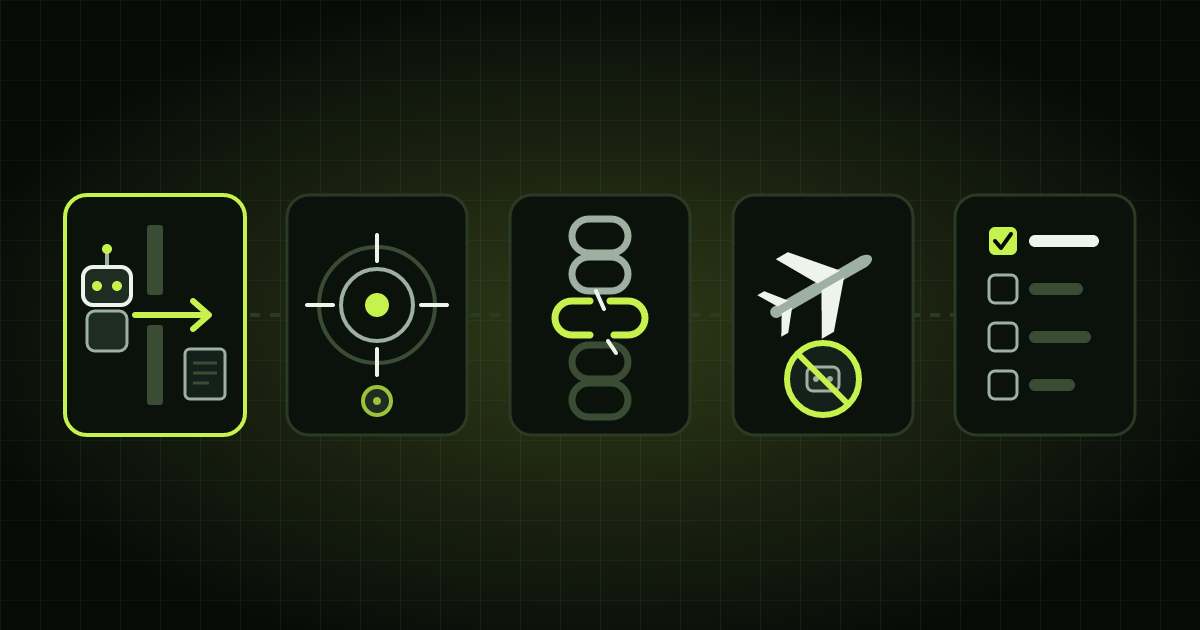
Knowing how to instruct AI means answering four things before you ask:
- What is the problem? Not the solution you imagine, but the problem that needs to stop existing.
- What does the result look like? Something concrete that can be checked.
- How do you prove it worked? Which cases to test, including the odd ones.
- What limits must be respected? Security, customer data, integrations, business rules.
Notice that none of these questions is about the tool. They’re questions a good manager, a good analyst or a good programmer has always asked. The difference is that, before, you could leave some of them for later, because execution was slow and there was time to correct course along the way. With AI executing in minutes, that time is gone.
That’s why the seniors in the Fastly survey ship more AI code and, at the same time, fix more of it. They know how to recognize when the answer is wrong. Their confidence doesn’t come from the tool. It comes from knowing how to judge what it delivered.
The experienced programmer became more valuable
There’s a narrative that AI will make experience dispensable. The data above points the other way, at least for work that requires judgment.
But there’s a condition: experience only counts if the person embraces the tool. I’ve seen very good professionals resist AI out of pride or distrust, and fall behind less experienced colleagues who learned to use it. And I’ve seen the opposite: people with decades on the road who set out to understand AI without prejudice and started delivering in days what used to take months. That’s the profile growing most in value today.
There’s also a warning every manager should read. In a piece published in July by Brookings, researcher Niam Yaraghi argues that much of AI’s current gains depend on specialists who formed their judgment before it existed, and that companies, by hiring fewer juniors, are drying up the source of the next seniors, according to the article. Cutting the base today may cost a lot five years from now.
What managers should do
Last week, Gartner reported that only 13% of CIOs say their companies have already realized significant value from AI, in a survey of 2,002 technology leaders, as we covered here on the blog. One of the factors that most separates those who get results: companies with an explicit plan to redesign roles for work between people and agents are 2.4 times more likely to be in the top group. Only 4% have such a plan, according to Gartner’s press release.
Redesigning roles starts here:
1. Swap the prompt course for a request template. Before any relevant task is handed to AI, the person writes in a few lines the problem, the expected result, how it will be checked and the limits. It takes five minutes and saves hours of rework.
2. Bring together those who know the operation and those who know the tool. AI doesn’t know your business. The people who’ve been in the operation for years do. They need to be at the table when the request is designed.
3. Measure AI’s output the way you measure a person’s. Did it do everything that was asked? Does it work? Does it solve the real problem? The feeling that “it got faster” is misleading, as METR showed. Measuring isn’t.
4. Don’t cut experience to pay for the tool. People with experience are the ones who can tell when the AI got it wrong. And keep juniors learning alongside them, or you won’t have seniors tomorrow.
5. Don’t tie the process to the tool of the moment. Models change every few months. What lasts is clarity about what the company wants. Invest in that.
Where experience comes in
In 29 years of programming, I’ve seen languages, frameworks and platforms appear and disappear. What never lost value was understanding the problem before writing the first line. AI didn’t change that. It just made forgetting it more expensive.
That’s how we work at IWA7: we use AI every day, without prejudice, and we put accumulated experience to work asking the right questions before asking the machine for anything. The tool executes fast. Knowing what it should execute is still people’s work.
Originally published on IWA7 Insights, IWA7 Digital’s blog, which is now part of Escovando Bytes.