Microsoft starts treating AI agents as an insider risk
Microsoft launches features to monitor and limit AI agents inside companies. The message: an agent is a new employee and needs a badge, limits and supervision.
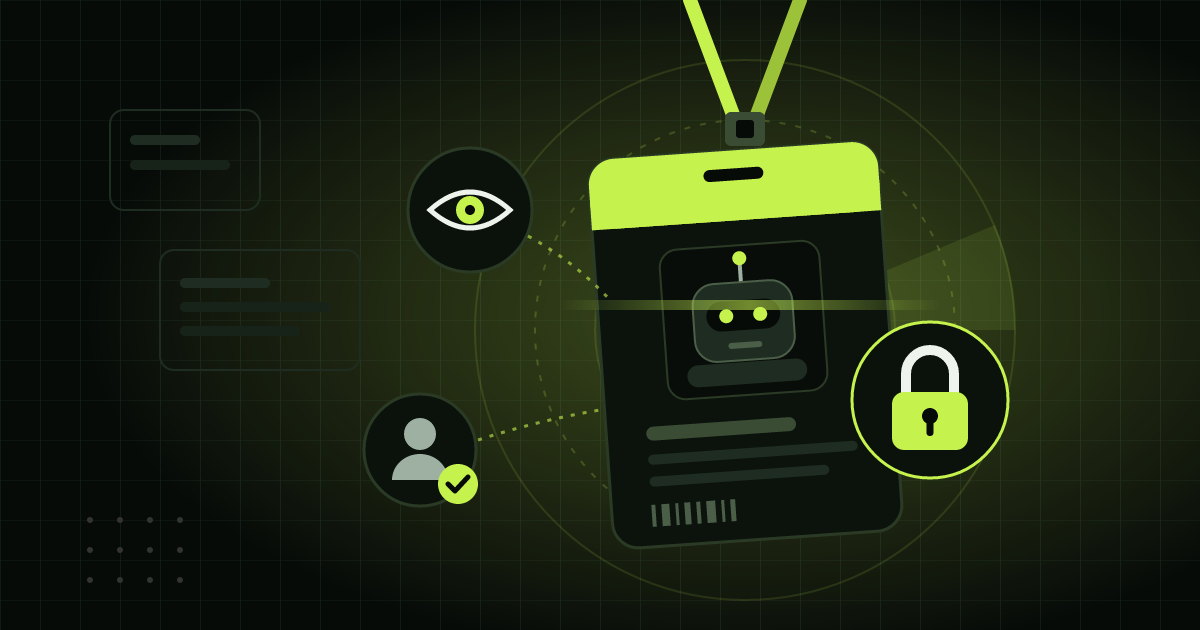
On Monday (the 19th), Microsoft announced a set of features to control the AI agents that are already working inside companies. On the company’s official blog, Hayete Gallot, executive vice president of security, calls these agents “agentic insiders”: systems that are given access to data and systems as if they were employees. She says the most advanced AI models, from any vendor, should not be trusted by default, and that monitoring has to happen from outside them.
What was announced
The technical breakdown rests on three core ideas. First, discovery: the tool can now identify 60 types of agents installed on employees’ computers, including Claude Code, OpenAI Codex and GitHub Copilot. Second, task-based permissions: the agent starts with no authority at all and gets only the access that a given task requires, for a limited time. Third, human approval: higher-impact actions can require a person to confirm them before they happen.
Microsoft did not disclose pricing or general availability dates. TechCrunch pointed out that the company sells the very security tools it recommends, but considered the logic of separating whoever supplies the agent from whoever oversees it to be sound.
What this changes for your company
1. You probably already have agents you don’t know about. If Microsoft built a feature just to find agents installed by employees, it’s because this is already happening. A simple survey is worth doing: who uses what, with access to which data.
2. An agent needs access rules, like an intern. The recommendation to start with zero permissions and grant access per task works for any company, whether it uses Microsoft or not. An agent that reads everyone’s email to summarize a meeting has too much access.
3. Define where decisions stay human. Approving a payment, sending a proposal, deleting a record: list the actions no agent carries out on its own. This costs little and prevents the kind of mistake that turns into a financial loss or a problem under LGPD, Brazil’s data protection law.
The core issue is management, not technology. A well-configured AI agent saves hours. A badly configured one is an open door with your name on the badge. In 29 years of programming, I’ve seen this same movie with every new tool that arrived too fast: those who set the rules before scaling reap the results without paying the bill later.
Originally published on IWA7 Insights, IWA7 Digital’s blog, which is now part of Escovando Bytes.