New York wants to fine chatbots that won't let you talk to a human
A New York proposal would force companies to disclose when customers are talking to AI and offer an easy way out to a human agent. A message for anyone automating customer service.
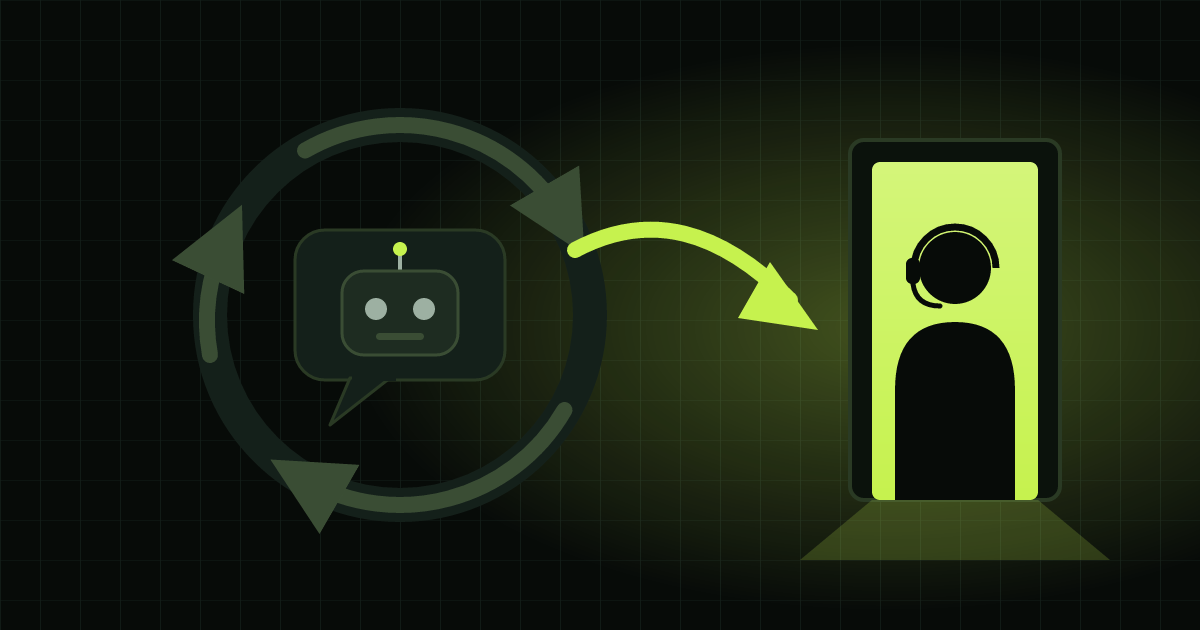
New York City proposed a rule on Tuesday (the 20th) against the so-called “doom loop” of automated customer service: that conversation with a bot that goes around in circles and never solves anything. Under the proposal from the Department of Consumer and Worker Protection (DCWP), companies that use AI chatbots or automated phone service will have to disclose when the customer is talking to an automated system, offer an easy path to a human agent and provide service within a reasonable time. Those who fail to comply may have to compensate the consumer and pay fines starting at US$ 525 per violation. The proposal now goes through 30 days of public comment, with a hearing, before the final version. Semafor confirmed the main points.
Why this matters outside New York
Two details go beyond the city. First: the rule says a company does not escape responsibility when its AI causes a problem. A wrong answer from the bot is the company’s answer. Second: the text treats as a deceptive practice promising service and, in practice, repeatedly failing to resolve the issue or replying only with irrelevant or wrong information.
The agency itself cites Gartner data showing that chatbots’ ability to solve the customer’s problem ranges from 17%, in billing disputes, to 58%, in returns and cancellations. In other words: in a good share of cases, the bot alone doesn’t solve it.
In Brazil, Decree 11,034/2022 already guarantees human service in phone customer support (known as SAC), but only for companies in sectors regulated by the federal government. New York’s proposal goes further: it applies to any company that serves customers in the city with an automated system.
What this changes for your company
1. Make it clear it’s a bot. If your customer service uses AI, say so in the first message. Hiding the bot doesn’t help the experience and can become a legal problem.
2. Build the exit to a human, and test it. Define when the conversation goes to a person: after two attempts without a solution, in billing complaints or when the customer asks. Have someone on the team try to reach an agent and time it.
3. Measure resolution, not just savings. Track how many conversations the bot actually resolves, by type of issue. Where it resolves little, such as billing, put people in front before the customer gives up.
In 29 years of programming, I’ve seen plenty of automation that saved money on the spreadsheet and lost customers at the counter. A good chatbot is one that knows when to call a person.
Originally published on IWA7 Insights, IWA7 Digital’s blog, which is now part of Escovando Bytes.