Oracle puts ChatGPT to work inside the company's ERP
Oracle and OpenAI announced that ChatGPT will query data and run tasks in Fusion and NetSuite. What changes when AI stops just answering and starts acting.
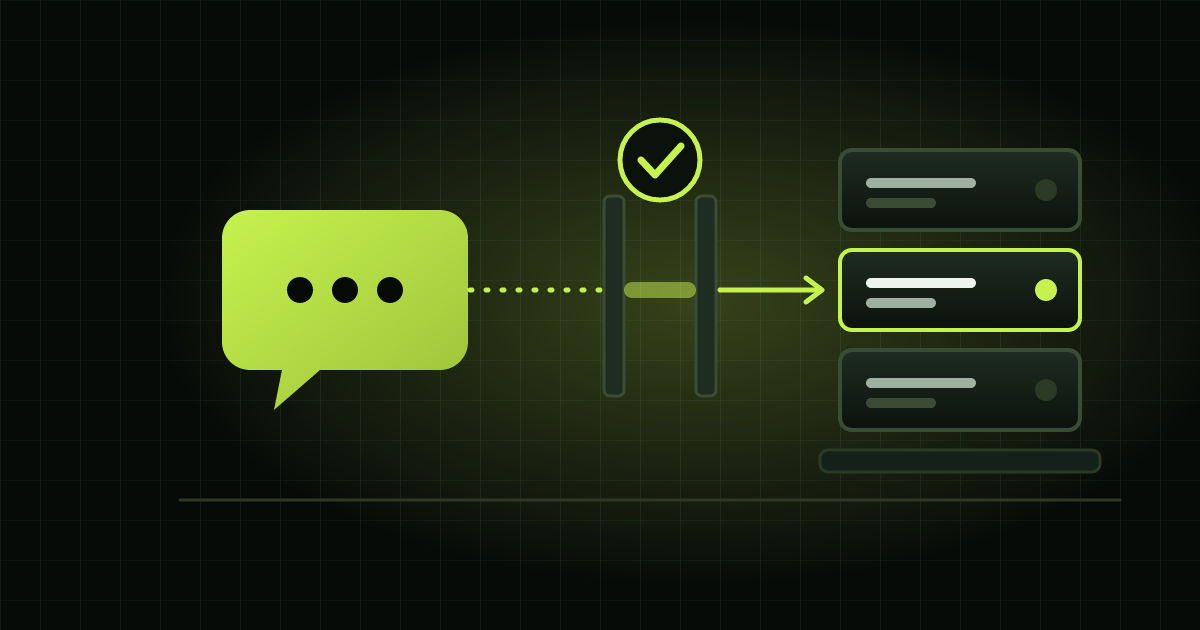
On Tuesday (October 27), at the Oracle AI World event in Las Vegas, Oracle announced a partnership with OpenAI to bring ChatGPT inside its business management systems (ERP, the software that runs finance, purchasing and operations). Through the new Oracle AI Workspace, employees will be able to use ChatGPT to look up information, complete approved workflows and take actions in Fusion Applications and NetSuite. Oracle also unveiled a tool for building internal apps without coding, using Codex; a managed service that uses OpenAI models to find and fix security flaws; and a package for small businesses that bundles ChatGPT Business, NetSuite and US$ 12,000 a year in cloud credits. Techzine confirms the main points.
What we don’t know yet
The announcement gives no release dates, prices or list of countries served. Oracle says governance, approvals and controls still apply, but doesn’t explain how that works in practice or which actions the AI will be able to perform. For now, it’s an announcement of direction, not a product you can sign up for tomorrow.
The direction, however, is clear: AI stops being a chat window next to the system and starts operating inside it.
What this changes for your company
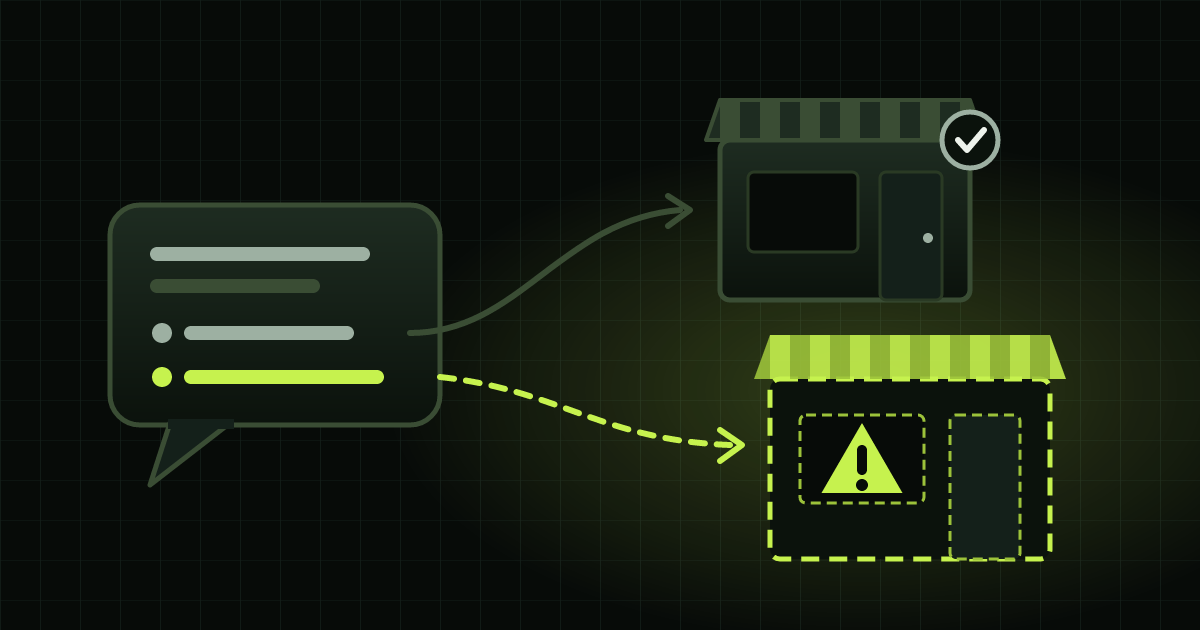
1. Separate querying from executing. Asking for an accounts payable report is one thing. Approving a payment or changing a supplier’s record is another. Before connecting any AI to your ERP, define in writing which actions it does on its own and which require a human to approve.
2. The AI must act with the access of whoever asked. If the intern can’t reverse an invoice, the AI triggered by the intern can’t either. Ask your vendor whether user permissions apply to the agent or whether it runs under a broad-access account.
3. Demand a record of every action. In an audit, you’ll need to show what was done, when and at whose request. If the system doesn’t keep that clearly, the AI isn’t ready to touch your finances yet.
In 29 years of programming, I’ve seen many integrations go wrong not because of the technology, but because there was no rule about who can do what. With AI inside the ERP, that rule comes before the first click.
Originally published on IWA7 Insights, IWA7 Digital’s blog, which is now part of Escovando Bytes.