Perplexity launches AI agents that work on their own like colleagues
Perplexity's Teammates creates AI agents that run ongoing tasks in the background, with their own role and little supervision. What to manage before giving AI an employee badge.
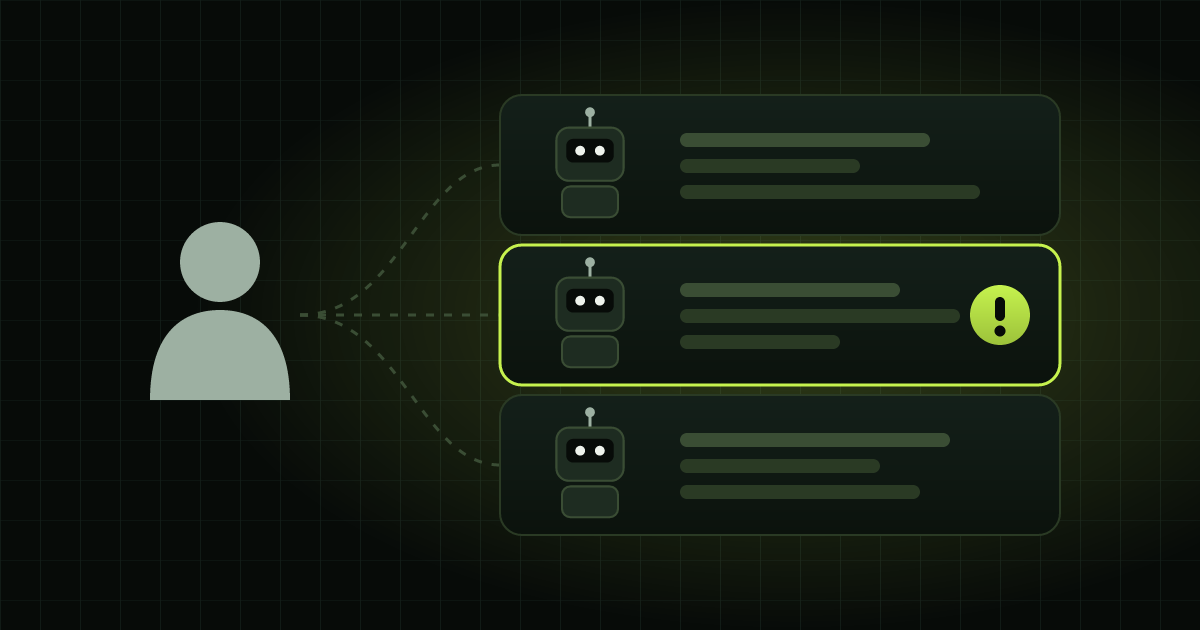
Perplexity has launched Teammates, a feature that creates AI agents for ongoing work, which keep handling tasks in the background with little supervision. According to Engadget, each agent can be given its own role or task, several run at the same time, and they notify the user when there’s a decision to make. For now, the feature is exclusive to the Perplexity Max plan, at US$ 200 a month, on the web and iOS.
How it works
Teammates are built on Perplexity Computer, the company’s assistant that carries out tasks on the user’s behalf. Each agent gets its own entry in the sidebar, where it shows the work in progress and what it has already finished. There, the person can hand over more tasks, change direction or ask for a status update. An agent can also manage others and call in new ones to help. Dataconomy adds that they make use of the projects, skills and memory the user already has in Perplexity’s tools.
The idea is clear: AI stops waiting for the next question and starts filling a role.
What this changes for your company
1. An agent with a role needs someone accountable. If AI is going to run a routine on its own, someone in the company answers for it, just as someone answers for an employee. Define that owner before switching it on, not after the first problem.
2. Decide what requires approval. “Notify when a decision is needed” is the vendor’s criterion. Yours needs to be in writing: sending email to a customer, touching financial data or deleting files can’t be left to the agent’s judgment. We’ve already shown here that even experts tend to follow the agent, so the rule matters more than good intentions.
3. Require logs and a way to stop it. An agent that coordinates other agents multiplies what happens with nobody watching. Before giving the green light, check that you can see the history of every action and halt everything quickly, a point that IDC already links to insurance and audit costs.
In 29 years of programming, I’ve learned that the risk is rarely the tool working too much. It’s nobody knowing what it did while it was working.
Originally published on IWA7 Insights, IWA7 Digital’s blog, which is now part of Escovando Bytes.