PHP2Shell: critical PHP flaw demands an immediate update
Two flaws in PHP itself (CVE-2026-109618 and CVE-2026-109619) let attackers break into servers without logging in. Attacks are already underway. What your company must do today.
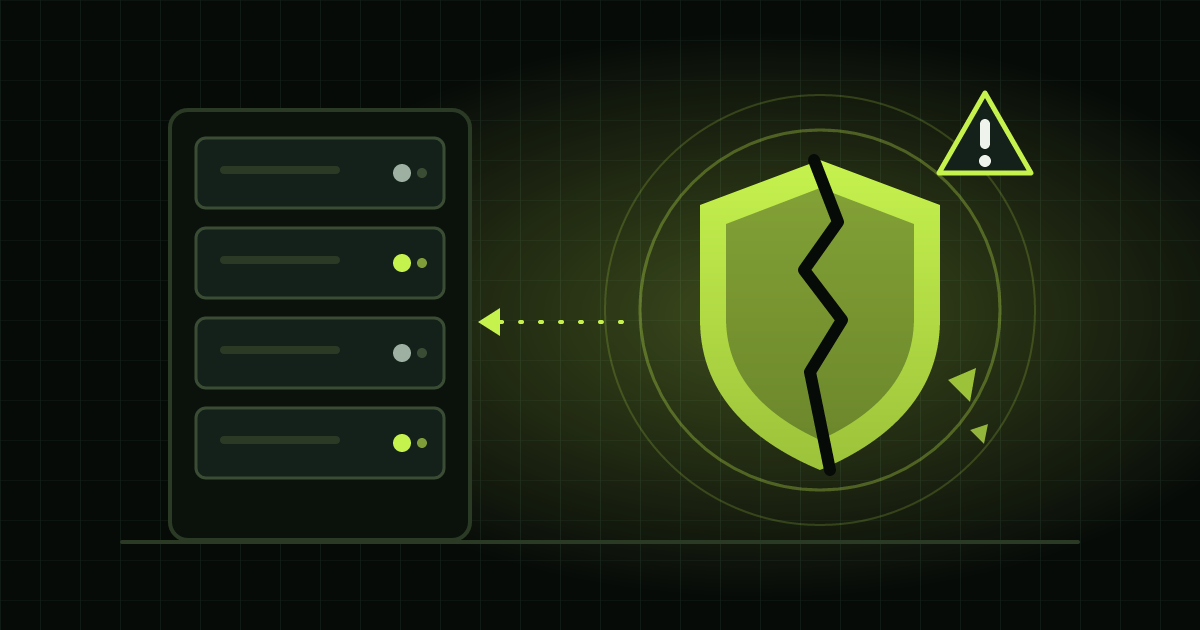
PHP, the language that powers a large share of the world’s websites, online stores and web systems, released versions 8.5.12, 8.4.27, 8.3.36 and 8.2.35 this Wednesday (the 21st) to fix two critical flaws in the language’s engine itself. Dubbed PHP2Shell, CVE-2026-109618 and CVE-2026-109619 were rated 9.2 (CVSS 4.0) and allow an attacker to run code on the server with a single request, without logging in, before the site’s own code even runs. According to Google Cloud and Wiz, every version from 5.4 to 8.5.11 is vulnerable, and the project won’t fix PHP 8.1 or earlier, which are already out of support.
The two flaws, without the jargon
CVE-2026-109618. When memory runs out in the middle of a request, PHP is interrupted with internal data only half built. During cleanup, it treats those leftovers as if they were valid, which corrupts memory and opens the door to the attacker.
CVE-2026-109619. Data belonging to one request remains “pointed to” after its memory has been freed. The next request handled by the same process can use those leftovers before they are wiped.
This is not a theoretical threat
Amazon’s network of traps (honeypots) recorded an exploitation attempt on October 17, four days before the disclosure, according to Help Net Security. The UK’s National Cyber Security Centre (NCSC) recommends considering taking offline whatever can’t be updated. Palo Alto Networks’ Unit 42 identified more than 22.6 million exposed instances on the internet.
What this changes for your company
1. Take inventory today. Corporate website, WordPress, WooCommerce, Magento, an old internal system: everything that runs PHP goes on the list. The bug is in the language, so well-written code doesn’t protect you.
2. Get a deadline from your provider in writing. Your hosting company, agency or in-house team needs to confirm when each server will be on the patched version. Linux distributions and hosting control panels have already started releasing packages. PHP itself warns there’s no complete mitigation: updating is the only safe path.
3. A system on PHP 8.1 or earlier has become a business risk. With no official fix, it depends on third-party patches. This is the moment to put the migration in the budget, not in “someday”.
In 29 years of programming, I’ve learned that the most expensive flaw is the one in the system nobody remembered existed. Knowing what runs in your company is the first line of defense.
Originally published on IWA7 Insights, IWA7 Digital’s blog, which is now part of Escovando Bytes.