The Smart Sampa leak: lessons for anyone using AI with biometrics
Access data for São Paulo's AI camera system sat exposed online for months. The case is now with prosecutors and Brazil's data protection authority. What your company should review.
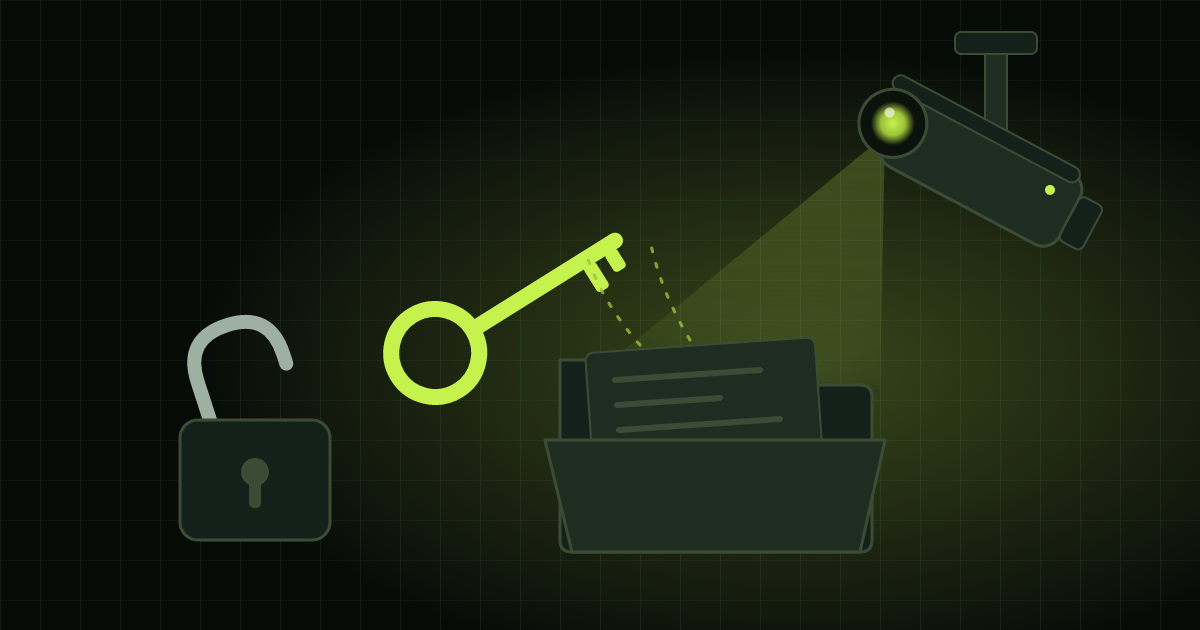
São Paulo City Hall confirmed on Tuesday (October 20) a leak of information from Smart Sampa, the city’s video surveillance program, which uses artificial intelligence for facial recognition and license plate reading. According to a report by UOL, picked up by Poder360, access data sat for about 11 months in a public repository on the internet, which made it possible to reach more than 58,000 cameras. The report mentions 181 user logins and passwords and data on more than 6,000 security officers.
What we know so far
City Hall blames a single public employee, who has been suspended and is under investigation by the internal affairs office of the Municipal Civil Guard (the city’s own police force). It denies any failure in the platform’s security mechanisms, says the repository did not contain passwords and that there was no misuse. According to Terra, the São Paulo State Prosecutor’s Office opened a preliminary proceeding to look into the episode.
On the same day, eleven civil society organizations asked the ANPD, Brazil’s National Data Protection Authority, to open an inspection of the city department in charge, the company that supplies the technology and the consortium that runs the program. Their requests include an independent security audit and notification of the people affected.
This is a public-sector case, but the mistakes it points to are common in private companies.
What this changes for your company
1. Passwords don’t belong in code, spreadsheets or shared folders. The core problem here was access stored in an open place. Ask your team or your vendor to sweep repositories and shared documents, and turn on two-factor authentication in every system that gives access to cameras, customer data or AI tools.
2. An AI contract must guarantee the right to audit. According to the organizations’ filing, the city department itself said it has no access to the code, the models or the training data, which stay with the vendor. If you buy AI from a third party, make sure the contract gives you the right to audit, to receive access logs and to know where the data is.
3. Biometrics are sensitive data under the LGPD. Many companies already use facial recognition at the front desk or on the time clock. Under the LGPD, Brazil’s data protection law, that requires a clear legal basis, an up-to-date impact assessment and a plan for responding to an incident. The ANPD is being called to look at this kind of system, and the standard demanded of the public sector tends to reach the private sector.
In 29 years of programming, I’ve seen far more leaks born from a password forgotten in a file than from a sophisticated attack. Before expanding your use of AI, it’s worth checking who holds the key.
Originally published on IWA7 Insights, IWA7 Digital’s blog, which is now part of Escovando Bytes.