Swedish government blocks ChatGPT and Claude, allows only the approved tool
Starting today, Sweden's Government Offices block ChatGPT and Claude on work computers and require only the approved tool. The message: AI without a contract is a risk.
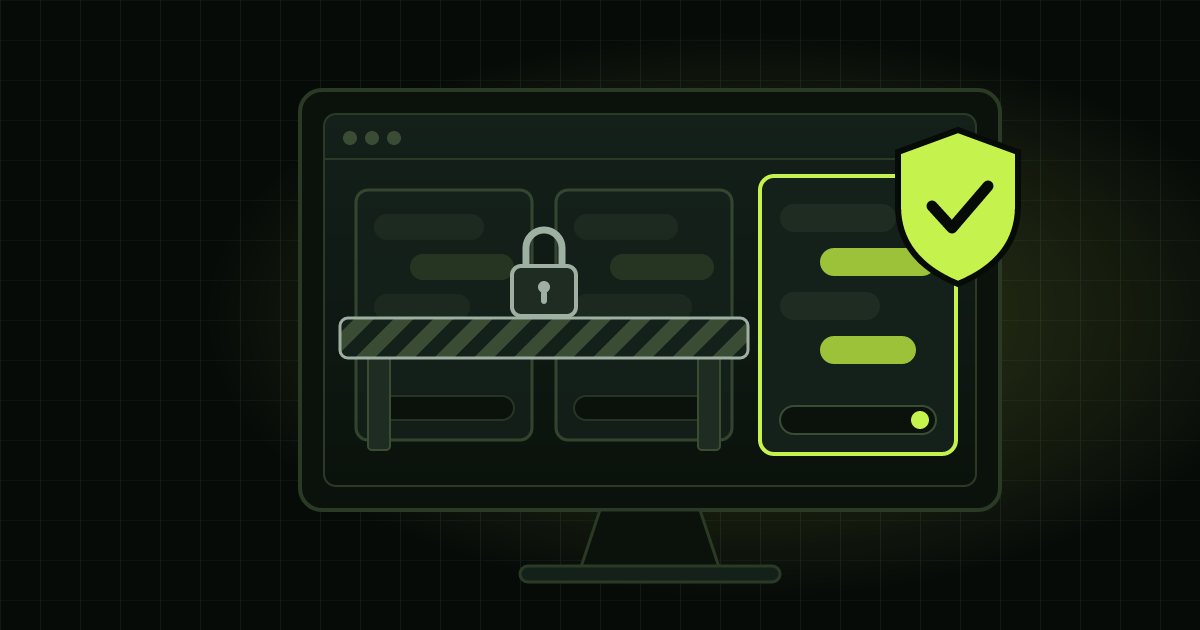
Starting this Monday (the 26th), employees of the Regeringskansliet, the body that brings together the Swedish prime minister’s office and the country’s ministries, can no longer open ChatGPT and Claude in the browser on their work computers. The block was revealed by Ekot, the news program of Sweden’s public radio, and confirmed by the agency itself in an email to SVT, the country’s public TV broadcaster. Instead, the guidance is to use Microsoft Copilot, made available to everyone after a review that strengthened the tool’s security.
It’s not a ban on AI
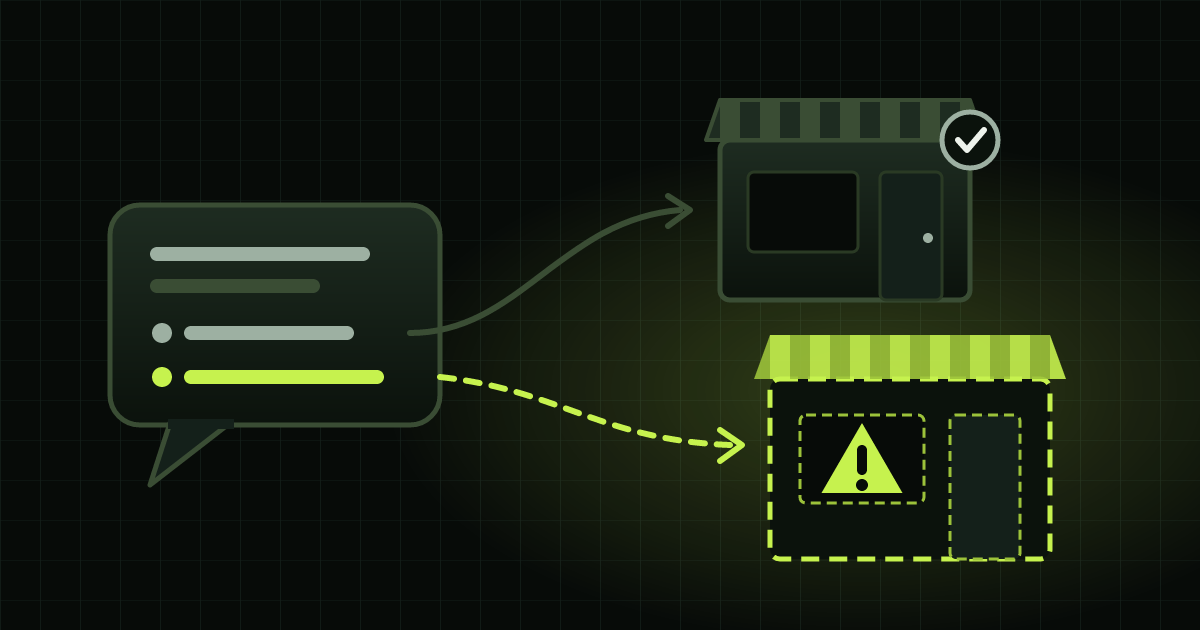
The most important detail is in what remained allowed. According to SVT, employees can still use the ChatGPT and Claude models inside Intric, an internal platform. In other words: the problem isn’t the model, it’s the route. What was taken down was direct access, outside any control by the organization.
The government didn’t publicly explain its reasons. A notice on the intranet, quoted by the Swedish site Feber, only says that using unapproved services on work computers can have consequences for information security.
Sweden isn’t alone, even at home: according to SVT, the Swedish Tax Agency (Skatteverket) and another public agency already had similar blocks, and the country’s debt collection agency is considering doing the same.
What this changes for your company
1. Find out what’s already in use. If the company never defined an AI tool, people have already chosen on their own, with personal accounts. It’s quite likely that contracts, spreadsheets and customer data have already gone through them. A quick conversation with each department’s manager is enough to show the size of the issue.
2. The difference is in the contract, not the brand. A business plan usually lets you define who has access, how long data is kept and whether it can be used to train the model. On a personal account, that depends on each user’s settings. Under the LGPD, Brazil’s data protection law, it makes a difference when you have to explain where a piece of personal data ended up.
3. Blocking without offering an alternative doesn’t work. The Swedish government didn’t take AI away from its employees: it changed the route. Choose one or two approved tools, make clear what kind of information can go into them and train teams before shutting off the rest.
In 29 years of programming, I’ve learned that the tool the company doesn’t provide becomes the tool employees find on their own. With AI, that happens much faster.
Originally published on IWA7 Insights, IWA7 Digital’s blog, which is now part of Escovando Bytes.