Uber rolls out an AI agent to all 30,000 employees after a pilot
Uber took ChatGPT Work company-wide after testing it with a thousand people, most of them outside engineering. What its path teaches anyone who wants to adopt AI.
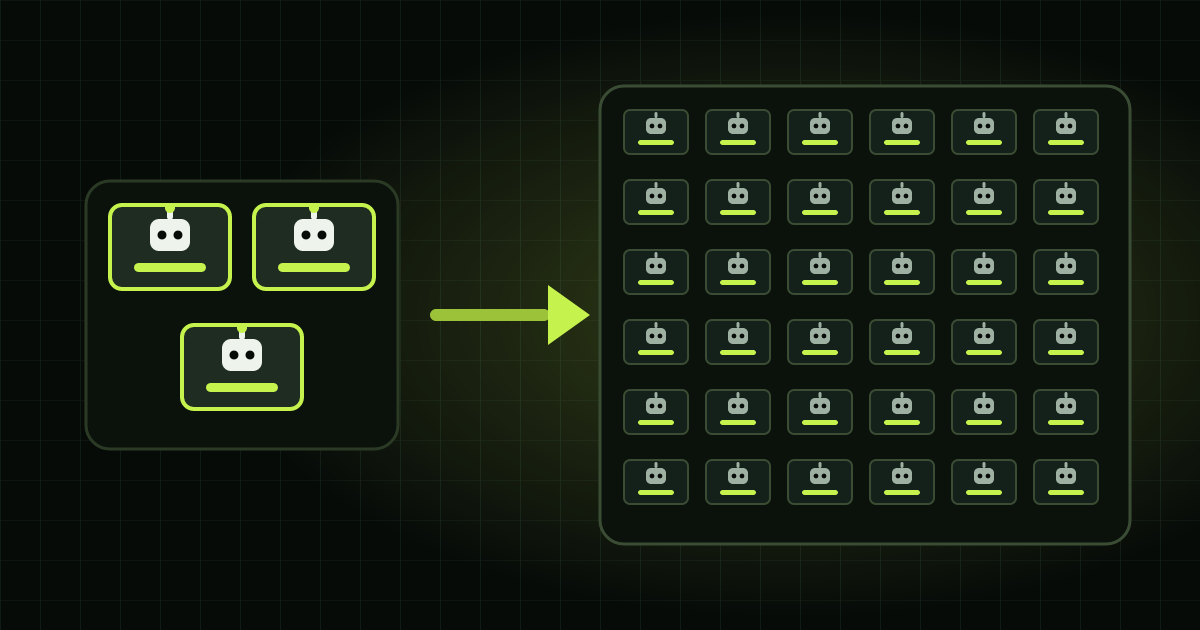
Uber announced on Thursday (October 22) that ChatGPT Work, OpenAI’s enterprise agent, is now available to more than 30,000 employees, its entire global workforce. According to OpenAI’s announcement, the tool connects to Google Drive, Gmail, Google Calendar and Slack and carries out multi-step tasks: researching, preparing meeting briefs, building presentations and analyzing data. The expansion follows a pilot with a thousand employees. TechCrunch confirmed the announcement and reported that about 80% of the people in the test were not engineers.
How Uber got here
The pilot brought together people from finance, operations and product. According to TechCrunch, they used the agent to analyze operational data and suggest actions, adapt training materials for other markets and languages, and build custom dashboards for their day-to-day work.
Before that, the company had already set up “AI pods”: 30 engineers were spread across teams in several areas, and each team had two weeks to automate important parts of its own work. For the general rollout, Uber prepared an internal library of use cases, approved integrations and dedicated training.
One point deserves attention: no results figures were released. The companies say they will share measurable gains over the course of the rollout, and Uber did not disclose how much it is investing.
What this changes for your company
1. Start small and outside IT. Uber’s pilot was run mostly by people who don’t write code. The people who know the process are the ones who find where AI really saves time. A group of 10 or 20 people from different areas already teaches a lot.
2. Define what the agent can access before you switch it on. The tool reads email, calendars and documents. Uber talked about “approved integrations” for a reason: someone has to decide which systems are included, with which permissions, and who is accountable if something goes wrong.
3. Measure usage before promising a return. Not even Uber has published gains yet. Track which tasks people automate and how much time that frees up. Without that data, the decision to expand, or to cut back, becomes a matter of opinion.
In 29 years of programming, I’ve seen plenty of good tools fail because they were handed to everyone at once, with no rules and no follow-up. The order in which you adopt matters as much as the technology you choose.
Originally published on IWA7 Insights, IWA7 Digital’s blog, which is now part of Escovando Bytes.