Court orders legaltech Enter to keep every record of its AI
A Brazilian federal court ordered Enter to preserve contracts, model versions and review records since 2024, in a case brought by the São Paulo bar. The lesson for anyone hiring AI.
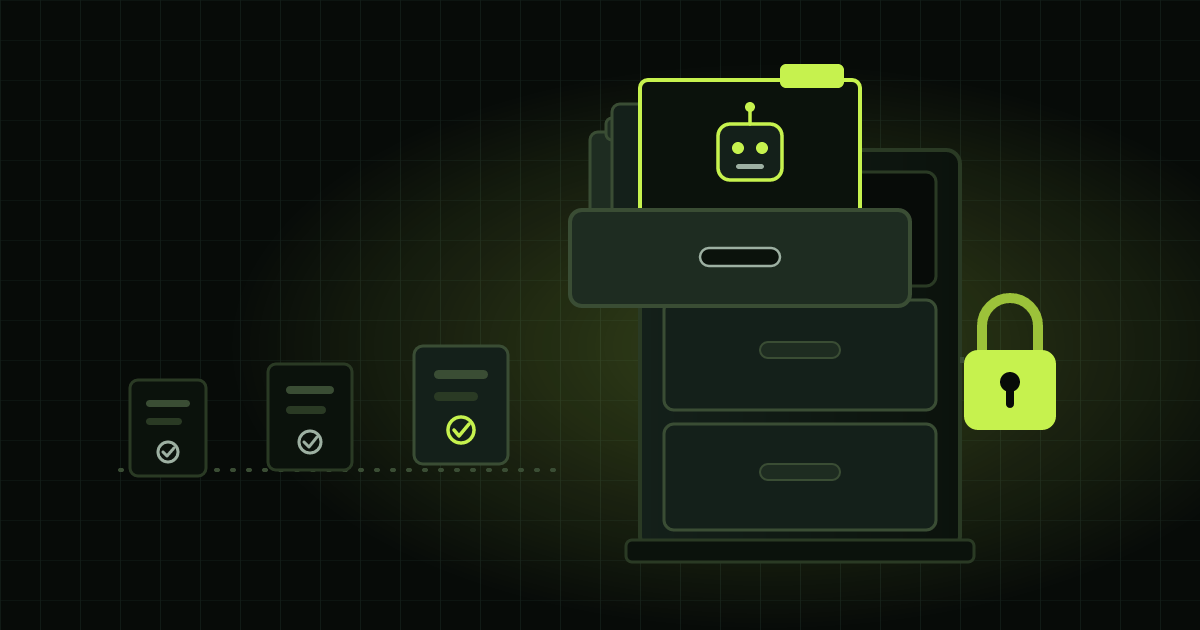
On Wednesday (the 21st), federal judge Raquel Fernandez Perrini, of the 4th Federal Civil Court of São Paulo, ordered Enter, a legaltech that uses AI to produce legal filings at scale for companies’ legal departments, to preserve contracts, documents and records of its activity since January 1, 2024. The order covers versions and parameters of the system, records of document production and review, case distribution and payment flows, with a fine of R$ 50,000 (Brazilian reais) for non-compliance. The ruling came in a public civil action brought by the São Paulo chapter of the Brazilian Bar Association (OAB), and the Rio de Janeiro chapter of the OAB announced that it was admitted as a co-plaintiff in the case. Exame and Startups confirmed the terms.
What’s at stake
The OAB questions Enter’s model: how much of the work is automated, whether there is real supervision by a lawyer and how the relationship with partner law firms works. According to Exame, the bar association also asked for limits on advertising that presents the company as a replacement for lawyers and on new contracts that don’t identify who is responsible for each filing.
Those requests were not decided now. The judge found that they depend on evidence. Enter says everything the platform produces goes through review and that the final decision belongs to a lawyer hired by the client company. The ruling neither validates nor condemns the business model. Enter’s request to suspend the case was denied.
What this changes for your company
1. The central question is who reviewed it. The case revolves around human supervision. If your company uses AI to generate contracts, legal opinions, technical reports or replies to customers, define who reviews each deliverable and record it. “Someone looked at it” doesn’t count as proof.
2. Record-keeping is the vendor’s obligation, and it needs to be in the contract. The court asked for model versions, parameters and the history of generation and review. Ask your AI vendor whether it keeps this, for how long and whether it will hand it over when you need it. Without a contract clause, the answer may be no.
3. Third-party data counts too. Legal documents carry personal data about clients, employees and parties to lawsuits. Know where that data lives, who accesses it and whether the vendor handles it in line with LGPD, Brazil’s data protection law.
In 29 years of programming, I’ve learned that a system without records is a system that can’t explain itself when something goes wrong. With AI, this is no longer a technical detail; it has become a governance issue.
Originally published on IWA7 Insights, IWA7 Digital’s blog, which is now part of Escovando Bytes.